Find your program at the UW-Madison Art Department
Expand your perspective and connect with your classmates, your community, and the world around you! UNDERGRADUATE PROGRAMGRADUATE PROGRAMFind your program at the UW-Madison Art Department
Expand your perspective and connect with your classmates, your community, and the world around you! UNDERGRADUATE PROGRAMGRADUATE PROGRAMThe University of Wisconsin-Madison occupies ancestral Ho-Chunk land, called Teejop (day-JOPE) since time immemorial. In an 1832 treaty, the Ho-Chunk were forced to cede this territory. Decades of ethnic cleansing followed when both the federal and state government repeatedly, but unsuccessfully, sought to forcibly remove the Ho-Chunk from Wisconsin.
This history of colonization informs our shared future of collaboration and innovation. We respect the inherent sovereignty of the Ho-Chunk Nation, along with the eleven other First Nations of Wisconsin.
UW Art in the News
School of Education artists earn top honors in 2026 Arts Business Competition
Two School of Education artists were recognized in the 2026 Arts Business Competition at UW–Madison: MFA candidate Fatemeh Fani received the first place award, ...read more →
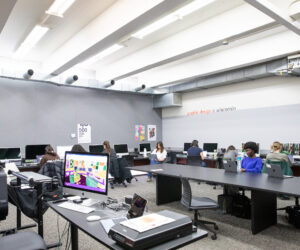
The University of Wisconsin-Madison Art Department is Hiring! Apply now for our Associate Professor of Graphic Design Faculty Position
For immediate release: May 5, 2026 The Art Department at the University of Wisconsin-Madison is seeking a tenure-track tenured Associate Professorship in Graphic Design ...read more →
Three School of Education students recognized as spring 2026 ‘notable grads’
Three School of Education students — Anna Bitonti, Molly Gerrish, and Heaven Williams — were recently recognized as spring 2026 “notable grads” by UW–Madison’s ...read more →
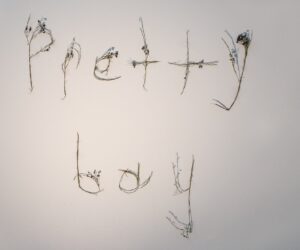
UW–Madison MFA artists recognized at Wisconsin Artists Biennial
Works by UW–Madison MFA candidates Fatemeh Fani and Swan Ferraro were recognized at the Wisconsin Artists Biennial, which took place Feb. 7–April 19 at the Museum of ...read more →

Through Her Lens: The Creative Journey of Lexia Frank
You studied Fine Art at UW–Madison before building a photography career around the country. What first sparked your interest? My late father ...read more →
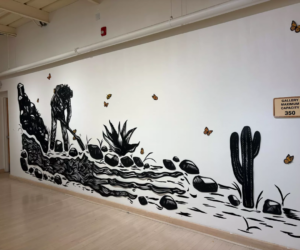
Artist Christie Tirado explores culture, migration and labor in ‘Cosechando Historias’ exhibit by Maria Peralta-Arellano
Migration can define generations. Moving to a new place forces families to change as they choose what to pass forward, and what to leave ...read more →
Meet some of our notable grads for spring 2026 by Gayle Worland
From creating community, to serving others and bringing home Olympic gold, these soon-to-be-grads define what it means to be a Badger. Thousands of Badgers ...read more →
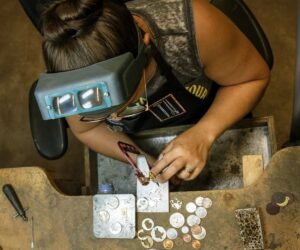
UW–Madison alumna shares coin-based art on CBS Sunday Morning
UW–Madison alumna and Philadelphia-based artist Stacey Lee Webber was recently featured on CBS Sunday Morning, speaking about her work transforming spare change into valuable, coin-based art. ...read more →
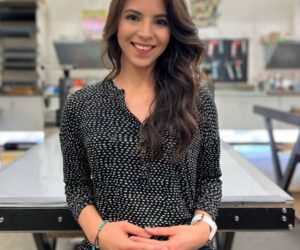
UW–Madison MFA student featured on PBS Wisconsin
UW–Madison MFA student Christie Tirado is featured in a recent PBS Wisconsin video profile highlighting her work as an artist and researcher. The six-minute segment focuses ...read more →
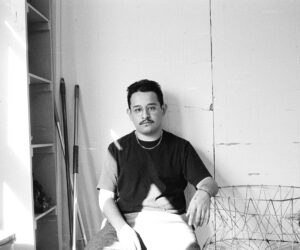
Art in Focus: Q&A with MFA candidate Mark Almanza
Throughout the semester, we’re shining a light on the Art Department’s graduating MFA candidates as they present their final thesis exhibitions. These exhibitions are ...read more →
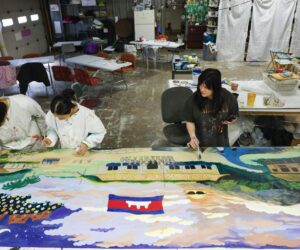
‘A gift of love’: Community mural project connects Madison to Cambodia by Ella Hanley, Special to the Cap Times
Madison artist Sharon Kilfoy hadn’t anticipated a recent trip to Cambodia would inspire a new mural project back home. But after working with sixth ...read more →
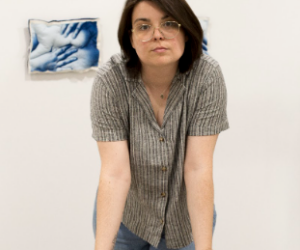
Art in Focus: Q&A with MFA candidate Kate Flake
Throughout the semester, we’re shining a light on the Art Department’s graduating MFA candidates as they present their final thesis exhibitions. These exhibitions are ...read more →
Overture Galleries: Summer 2026 Exhibitions
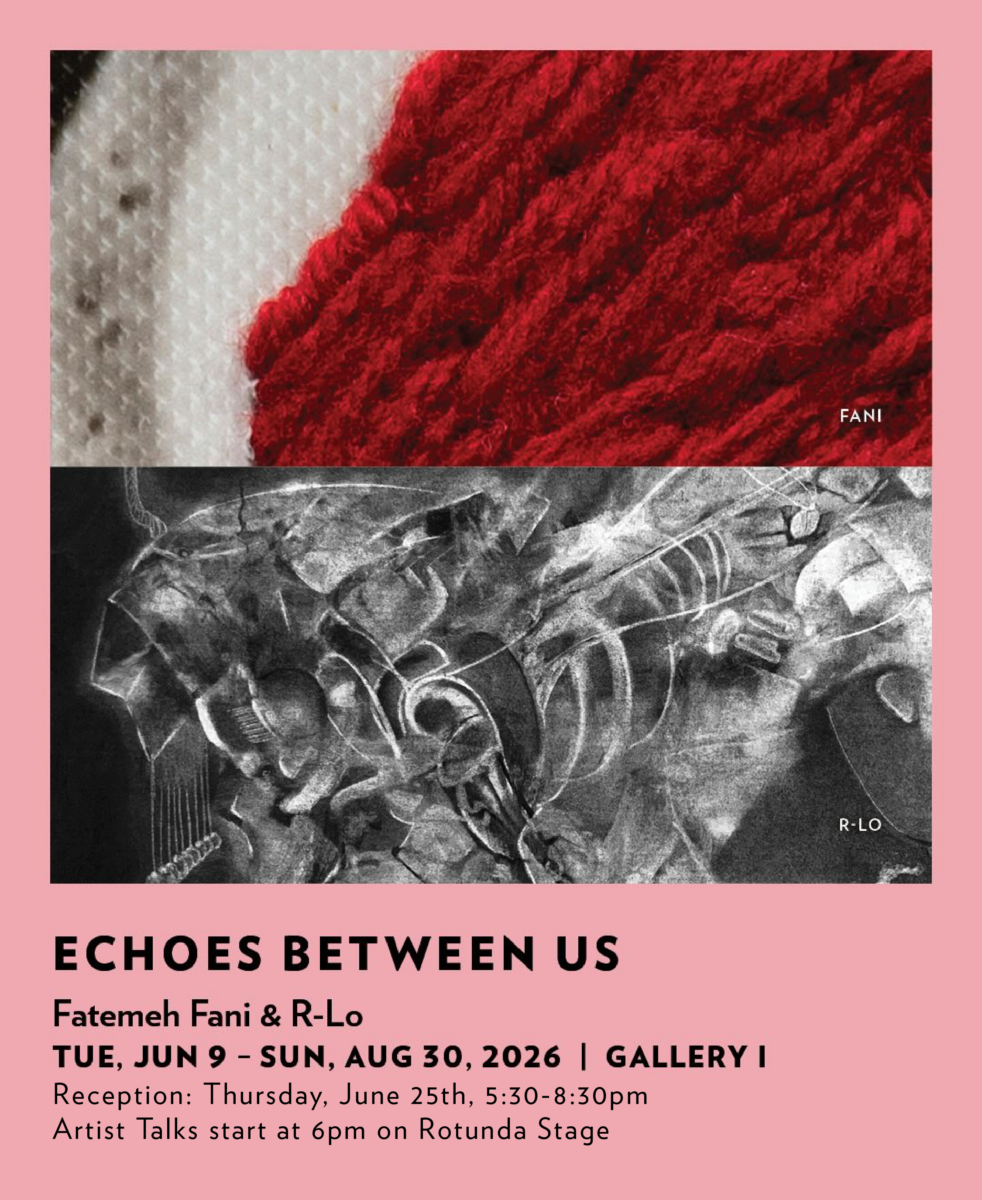
Echoes Between Us by Fatemeh Fani & R-Lo
June 9 – August 30
Reception: Thursday, June 25, 5:30-8:30pm, Artist Talks start at 6pm on Rotunda Stage
Location: Gallery I, Overture Center for the Arts, 201 State St, Madison, WI
In this exhibition, Class of 2026 MFA Alumna Fatemeh Fani and R-Lo create work that “echoes memories emerging from a shrouded haze.” Through a variety of media, they transform pain into resonance that invites viewers to recognize what often passes unnoticed.
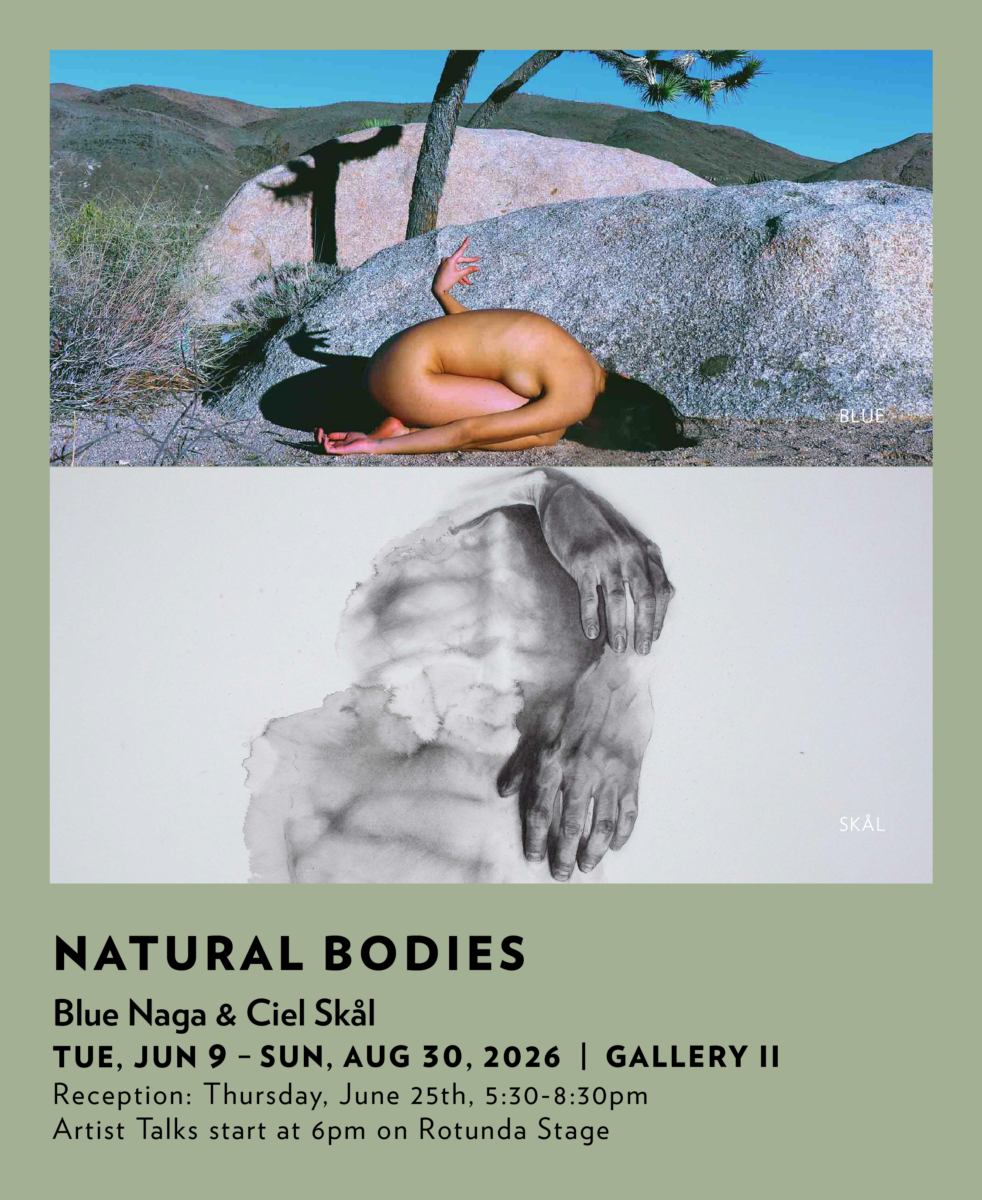
Natural Bodies by Blue Naga & Ciel Skål
June 9 – August 30
Reception: Thursday, June 25, 5:30-8:30pm, Artist Talks start at 6pm on Rotunda Stage
Location: Gallery II, Overture Center for the Arts, 201 State St, Madison, WI
Works of MFA Candidates Blue Naga and Ciel Skål blur the boundaries between the human body and the natural world. This exhibition reflects on the intimacy and solidarity between the environment and the feminine experience, while tracing the layered histories that have shaped how both land and body are perceived, valued and inhabited.
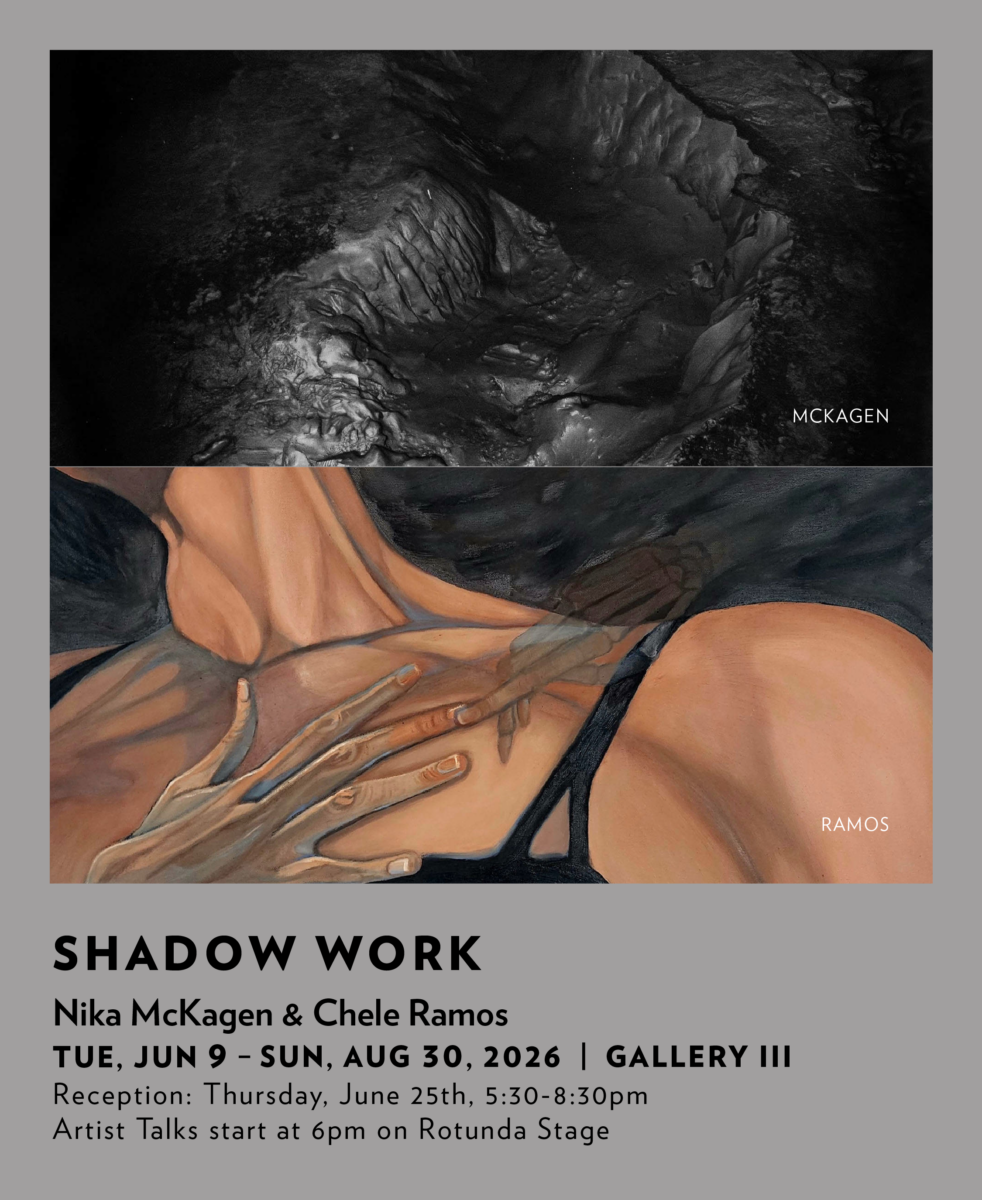
Shadow Work by Nika McKagen & Chele Ramos
June 9 – August 30
Reception: Thursday, June 25, 5:30-8:30pm, Artist Talks start at 6pm on Rotunda Stage
Location: Gallery III, Overture Center for the Arts, 201 State St, Madison, WI
The works of Class of 2026 MFA Alumna Nika McKagen and Chele Ramos explore the realms unseen by the naked eye; behind shadows lie places unexplored, whether in the mind, memory or earth.
Overture Center: Summer 2026 Exhibitions
Events
Signals in Flux: A 4D Installation by Vivian Ye
May 20 — 22, Nights only...
part time polyphony: University of Wisconsin–Madison First Year MFA Exhibition
May 5 - 16 Artists: Anna!, Eli...
Art in Focus: Q&A with MFA candidate Mark Almanza
Throughout the semester, we’re...
Don’t Everybody Like the Smell of Gasoline? Master of Fine Arts Thesis Exhibition by Mark Almanza
April 21 – 25 Reception: Friday,...
Signals: Master of Fine Arts Thesis Exhibition by Henry Burk
April 14 – 19 Reception: Friday,...
Mad Gaffers Live Demo & Sale
Saturday, April 18 @ 12 - 5pm...
Spring 2026 Visiting Artist Colloquium
Visiting Artist Colloquium: Chris Bradley
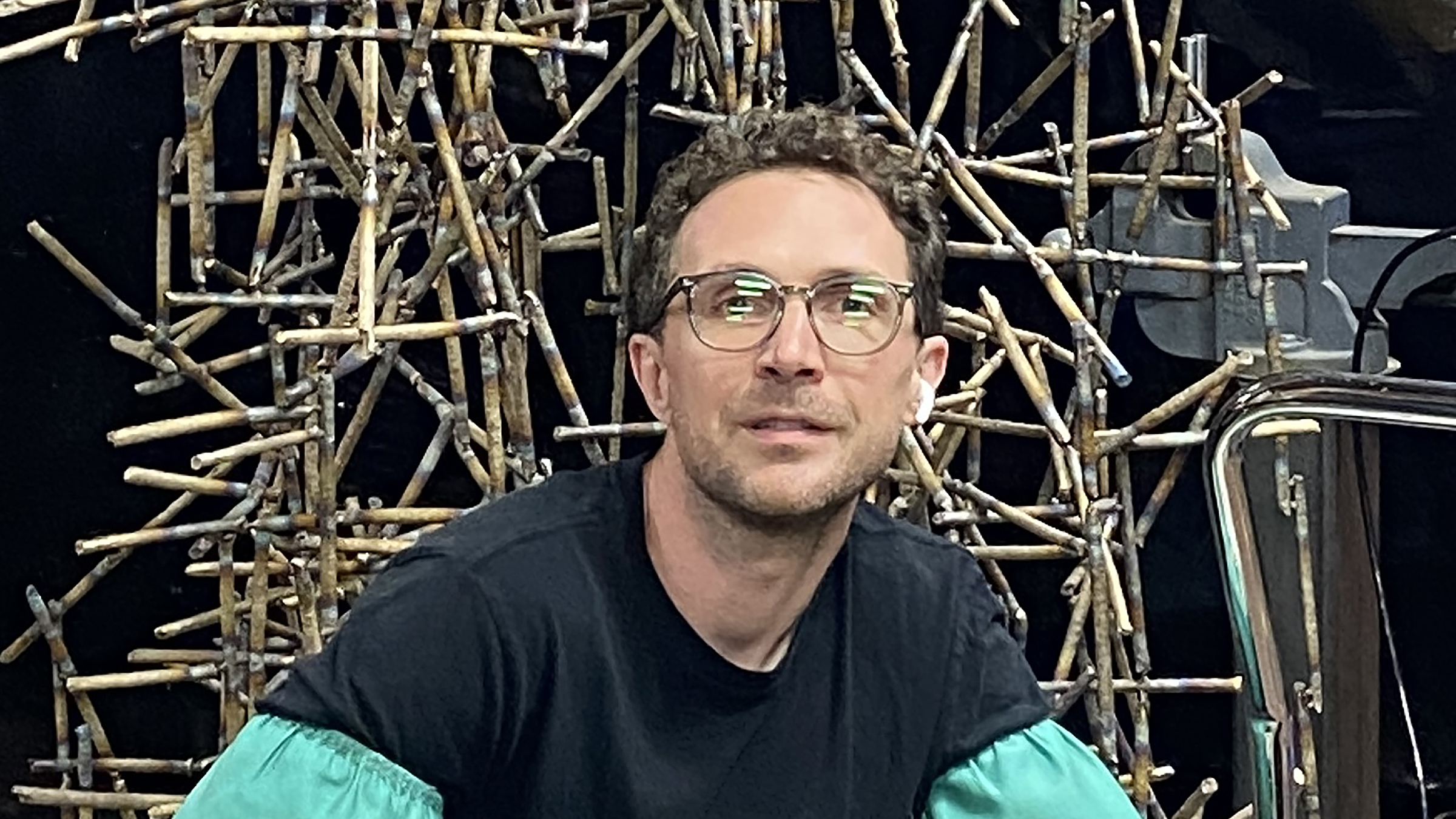
Wednesday, April 29 @ 5:00 – 6:15pm Chazen Auditorium FREE & OPEN TO THE PUBLIC Chris Bradley is an artist based in Chicago, Illinois. Over the past two decades, Bradley ...read more →
Visiting Artist Colloquium: Stephanie Syjuco
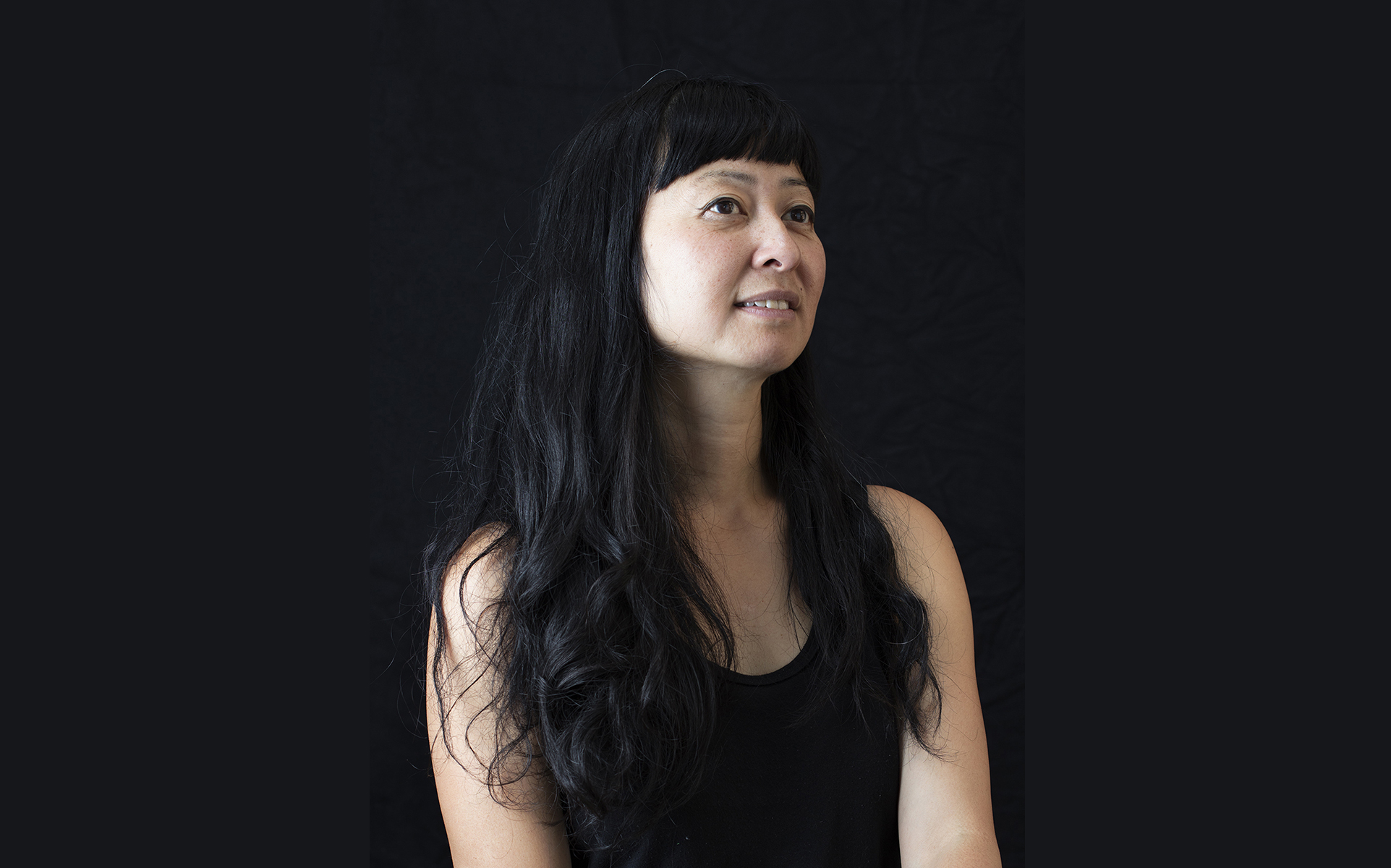
Wednesday, April 22 @ 5:00 – 6:15pm Chazen Auditorium FREE & OPEN TO THE PUBLIC Stephanie Syjuco works in photography, sculpture, and installation, moving from handmade and craft-inspired mediums to ...read more →
Visiting Artist Colloquium: Ben Blount
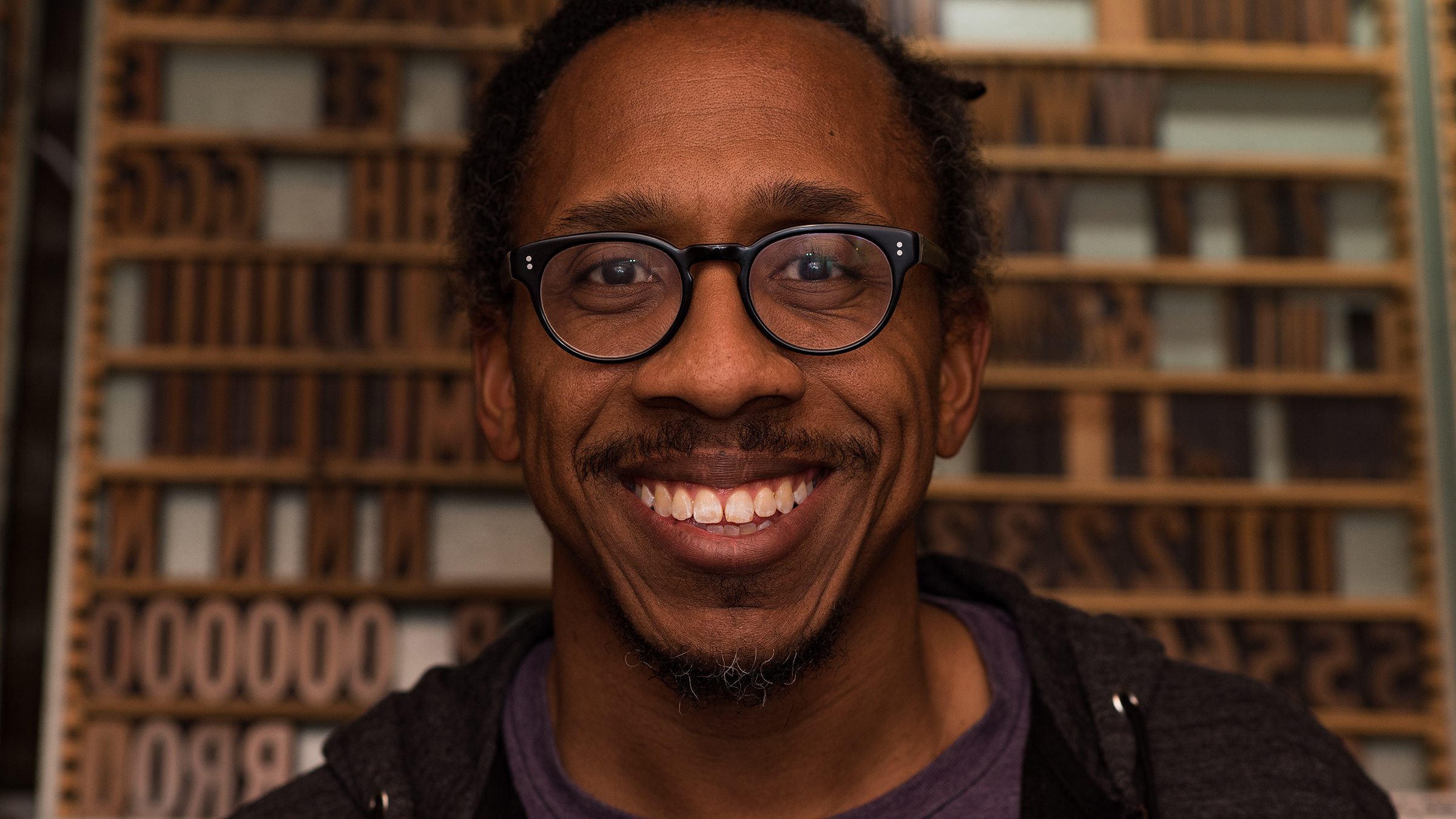
Wednesday, April 15 @ 5:00 – 6:15pm Chazen Auditorium FREE & OPEN TO THE PUBLIC Ben Blount is an artist, designer, and letterpress printer best known for work that explores ...read more →
Visiting Artist Colloquium: University of Wisconsin-Madison MFA Candidates BLUE NAGA, Matthew Everett, Tanya Habjouqa, & Christie Tirado
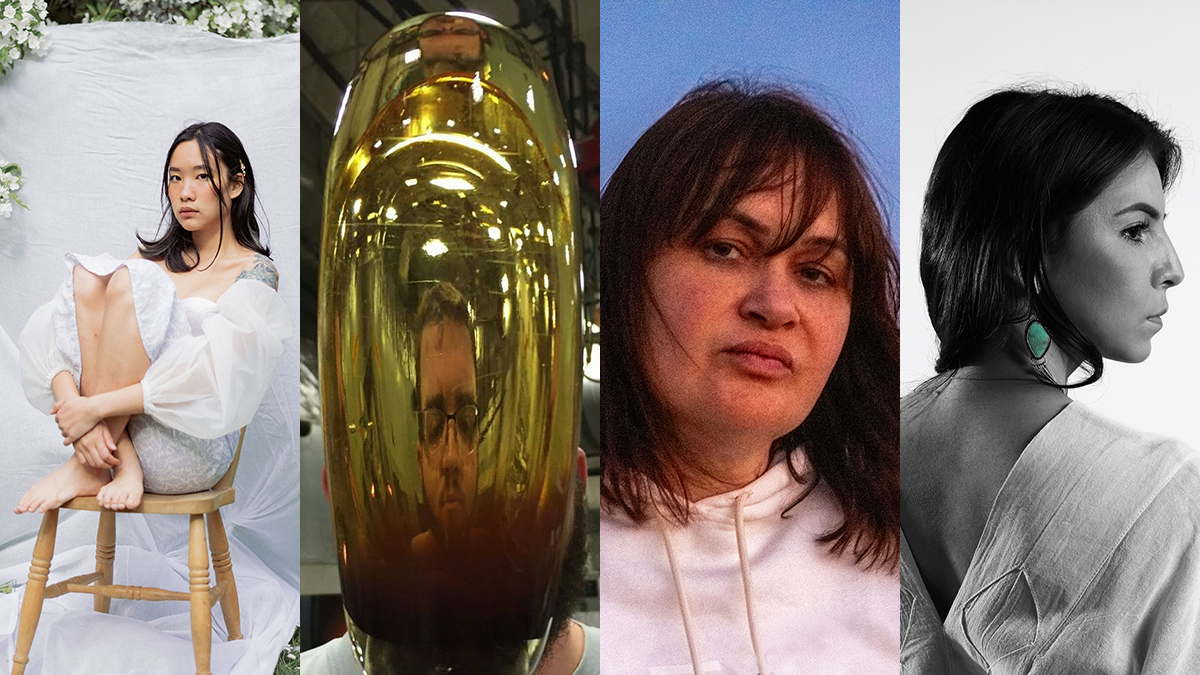
Wednesday, April 8 @ 5:00 – 6:15pm Chazen Auditorium FREE & OPEN TO THE PUBLIC Our graduate students earning their Masters degrees will present their interdisciplinary work to the public. ...read more →
Visiting Artist Colloquium: Leonie Bradley
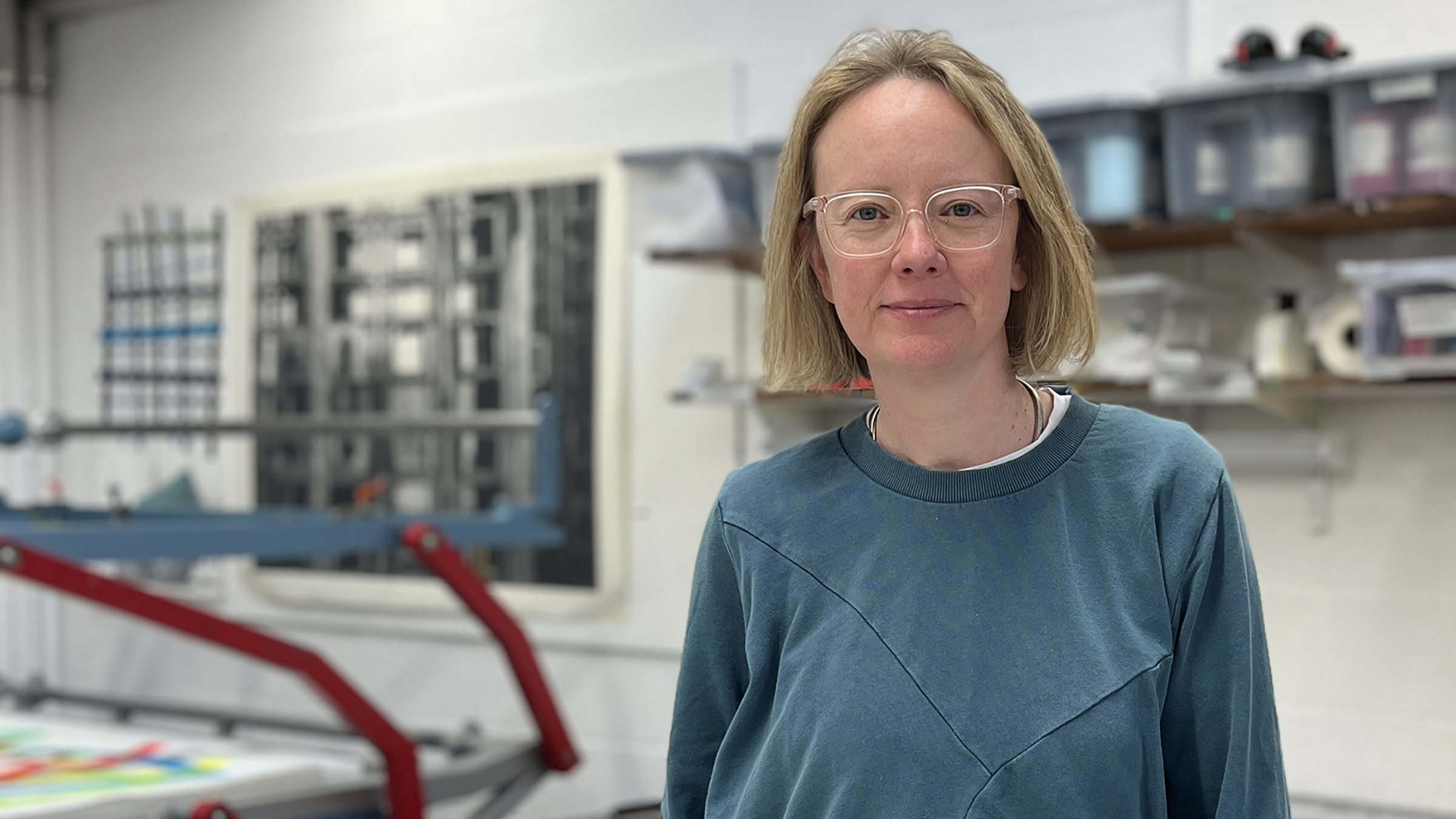
Wednesday, March 18 @ 5:00 – 6:15pm Chazen Auditorium FREE & OPEN TO THE PUBLIC Leonie Bradley is a conceptual artist working in the field of expanded printmaking. Currently, she ...read more →
Visiting Artist Colloquium: Astria Suparak
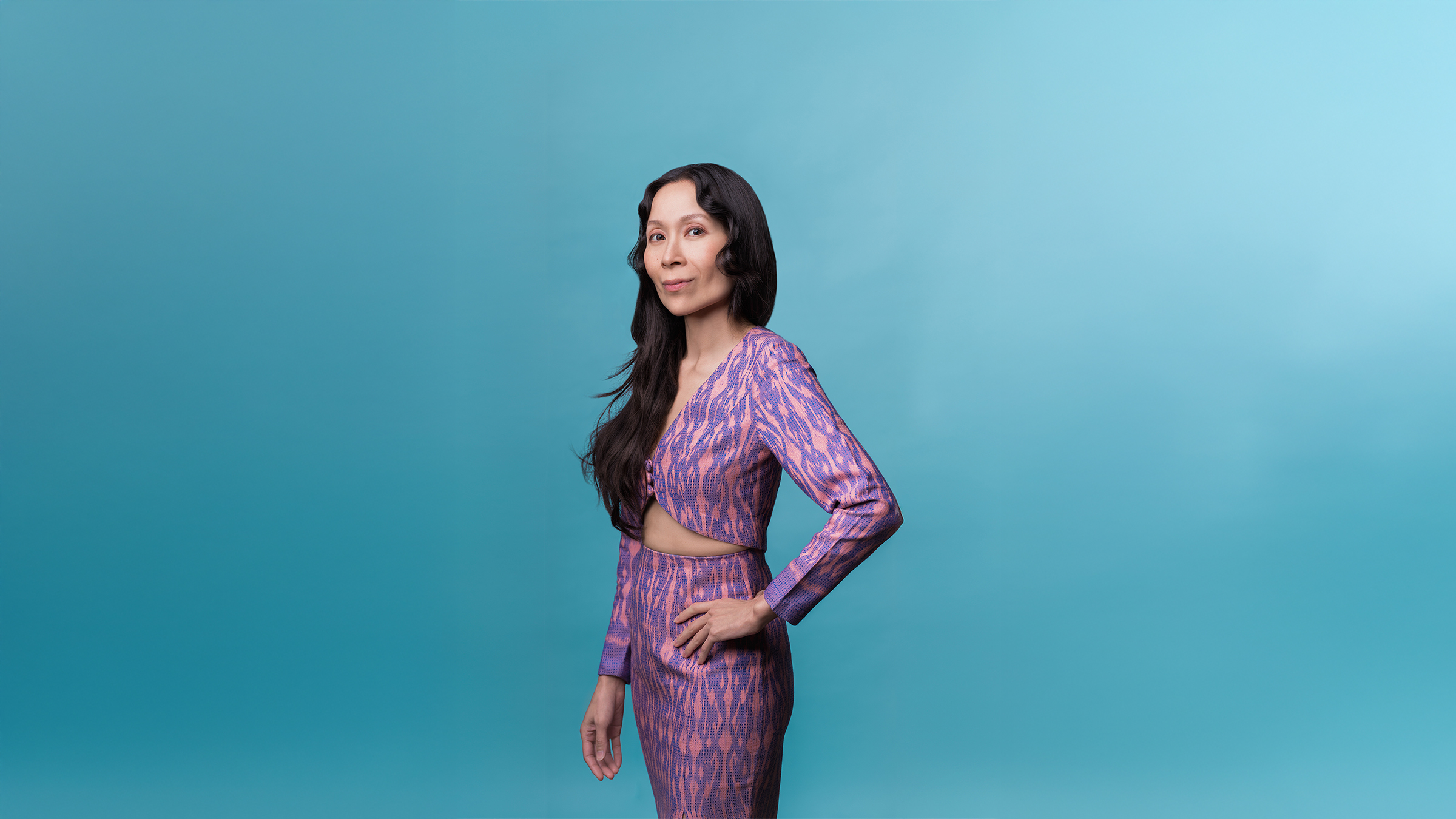
Wednesday, March 11 @ 5:00 – 6:15pm Play Circle Theater, Memorial Union FREE & OPEN TO THE PUBLIC Mask-wearing requested by artists. Masks will be available to all guests. Doors ...read more →
Visiting Artist Colloquium: Taj Matumbi
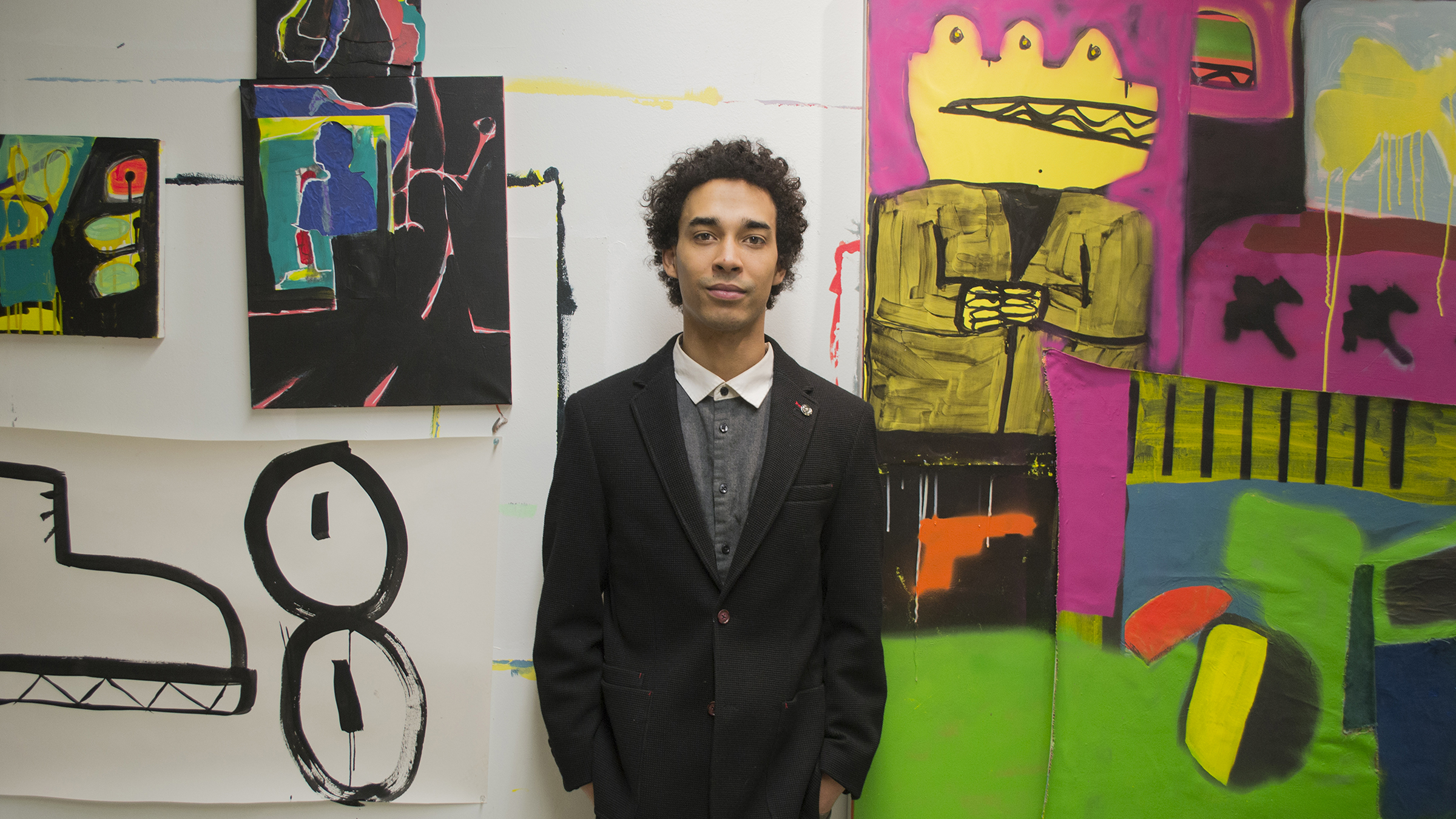
Wednesday, March 4 @ 5:00 – 6:15pm Chazen Auditorium FREE & OPEN TO THE PUBLIC Taj Matumbi is an emerging artist, who grew up in Northern California. A 2021 graduate ...read more →
Visiting Artist Colloquium: University of Wisconsin-Madison MFA Candidates Mark Almanza, Swan Ferraro, Joshuah Holbrook, & Daniella Thach
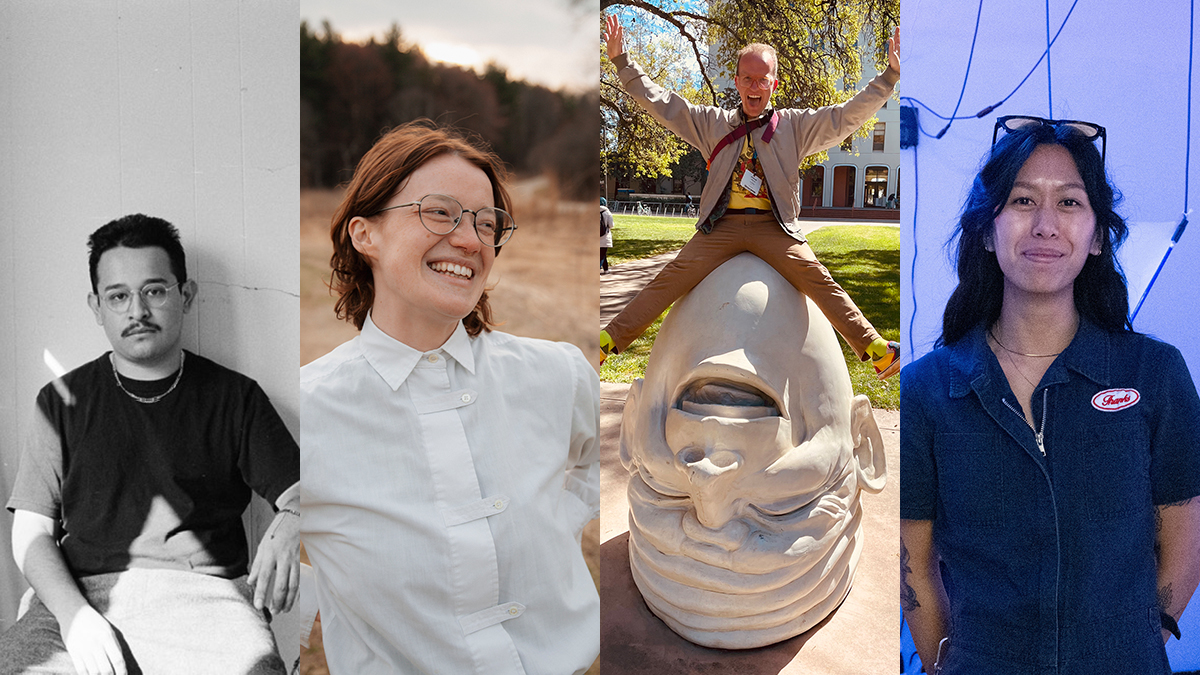
Wednesday, February 25 @ 5:00 – 6:15pm Chazen Auditorium FREE & OPEN TO THE PUBLIC Our graduate students earning their Masters degrees will present their interdisciplinary work to the public. ...read more →
Visiting Artist Colloquium: Craig Drennen
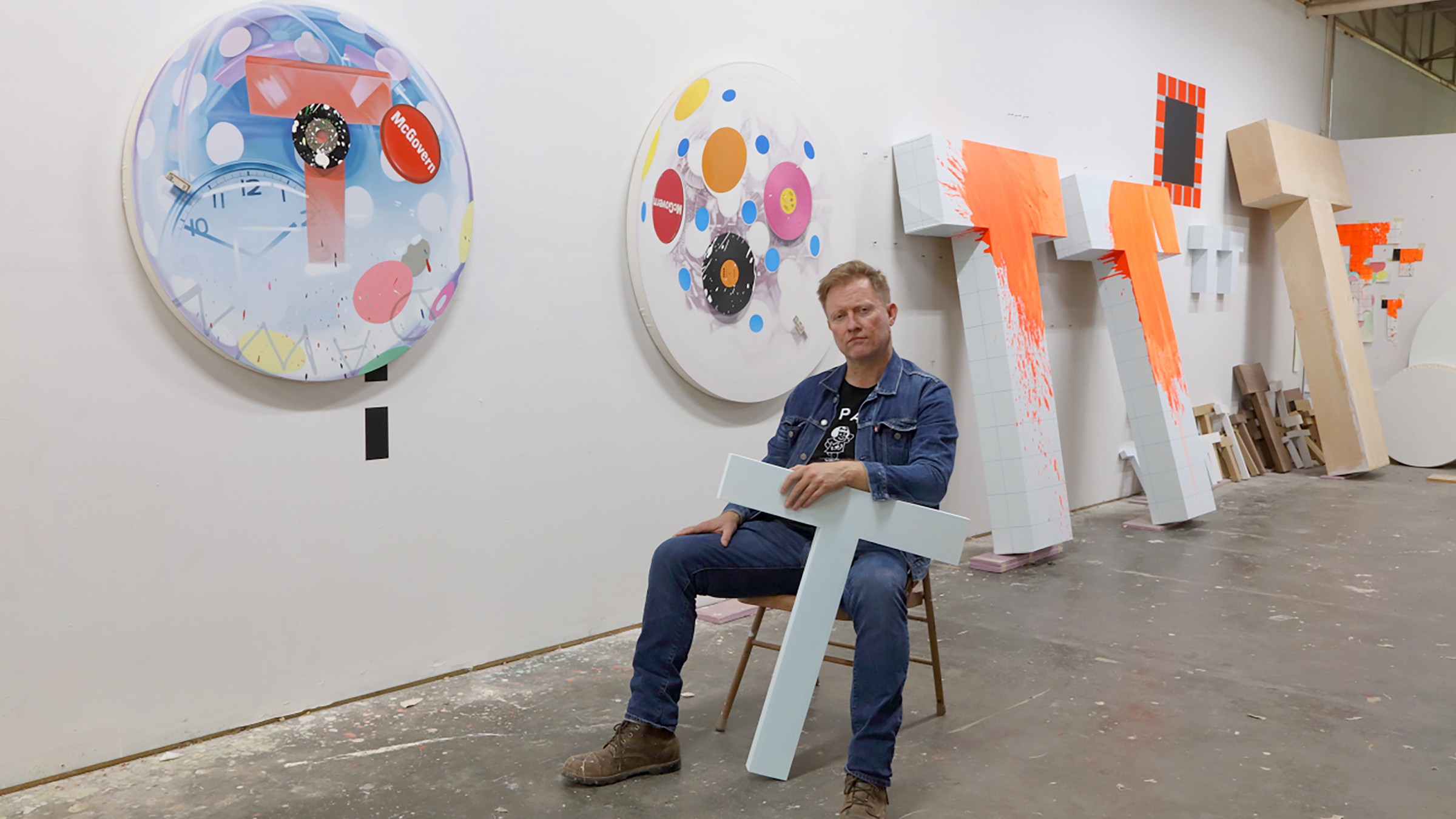
Wednesday, February 18 @ 5:00 – 6:15pm Chazen Auditorium FREE & OPEN TO THE PUBLIC Craig Drennen is a painter based in Atlanta, Georgia, and a Guggenheim Fellow. He is ...read more →
Visiting Artist Colloquium: Hannah Beerman
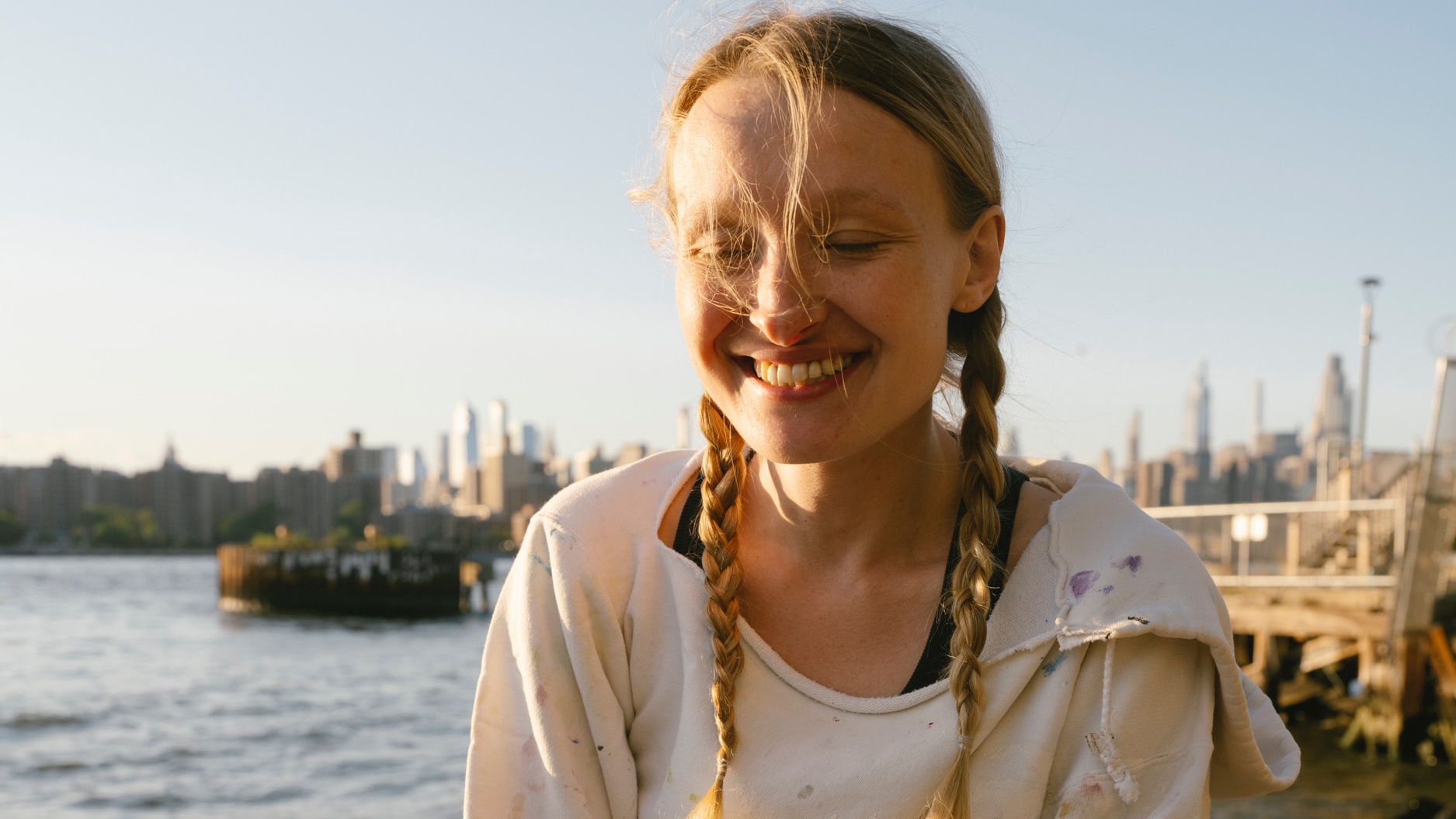
Wednesday, February 11 @ 5:00 – 6:15pm Elvehjem L140 FREE & OPEN TO THE PUBLIC Hannah Beerman’s themes in her mixed-media paintings include play, loss, survival and desire, including wigs, ...read more →
Visiting Artist Colloquium: Joyce Lin
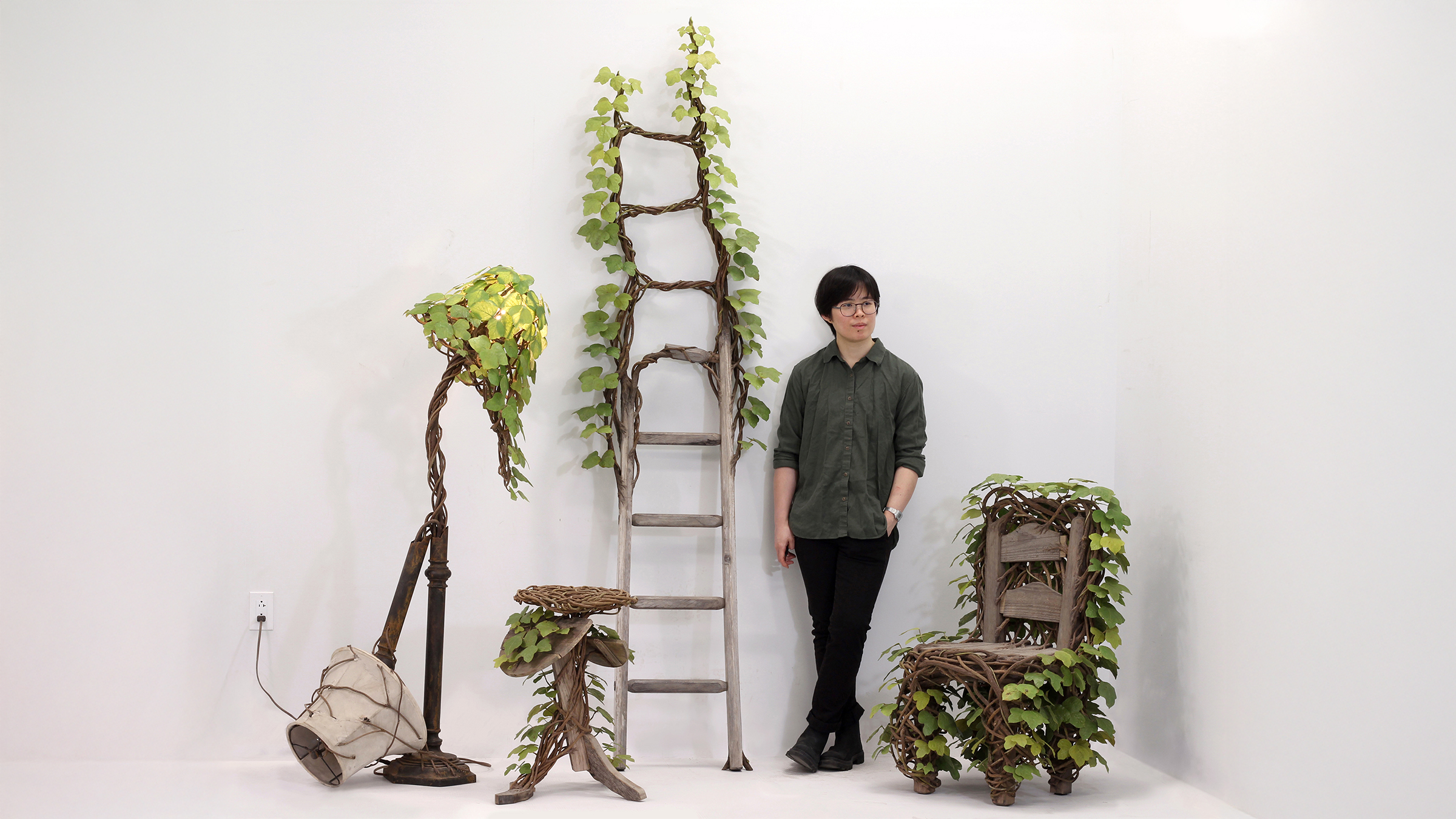
Wednesday, February 4 @ 5:00 – 6:15pm Elvehjem L140 FREE & OPEN TO THE PUBLIC Joyce Lin is a Houston-based artist and furniture maker whose practice investigates the relationship between ...read more →
Visiting Artist Colloquium: Perry Price—Cancelled
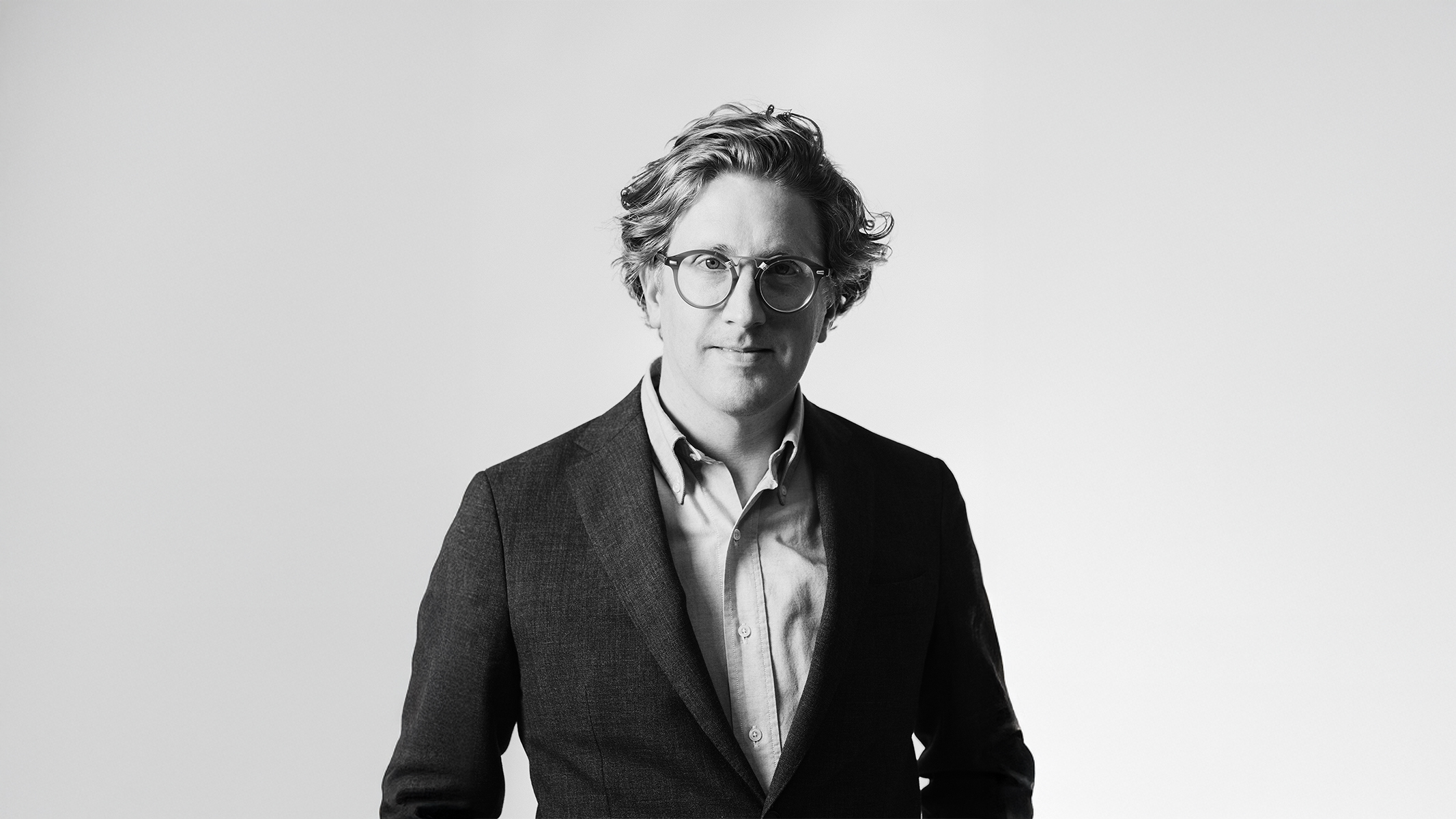
Wednesday, January 28 @ 5:00 – 6:15pm Chazen Auditorium FREE & OPEN TO THE PUBLIC A scholar of contemporary studio craft, material culture, decorative arts, and design, Perry Price is ...read more →
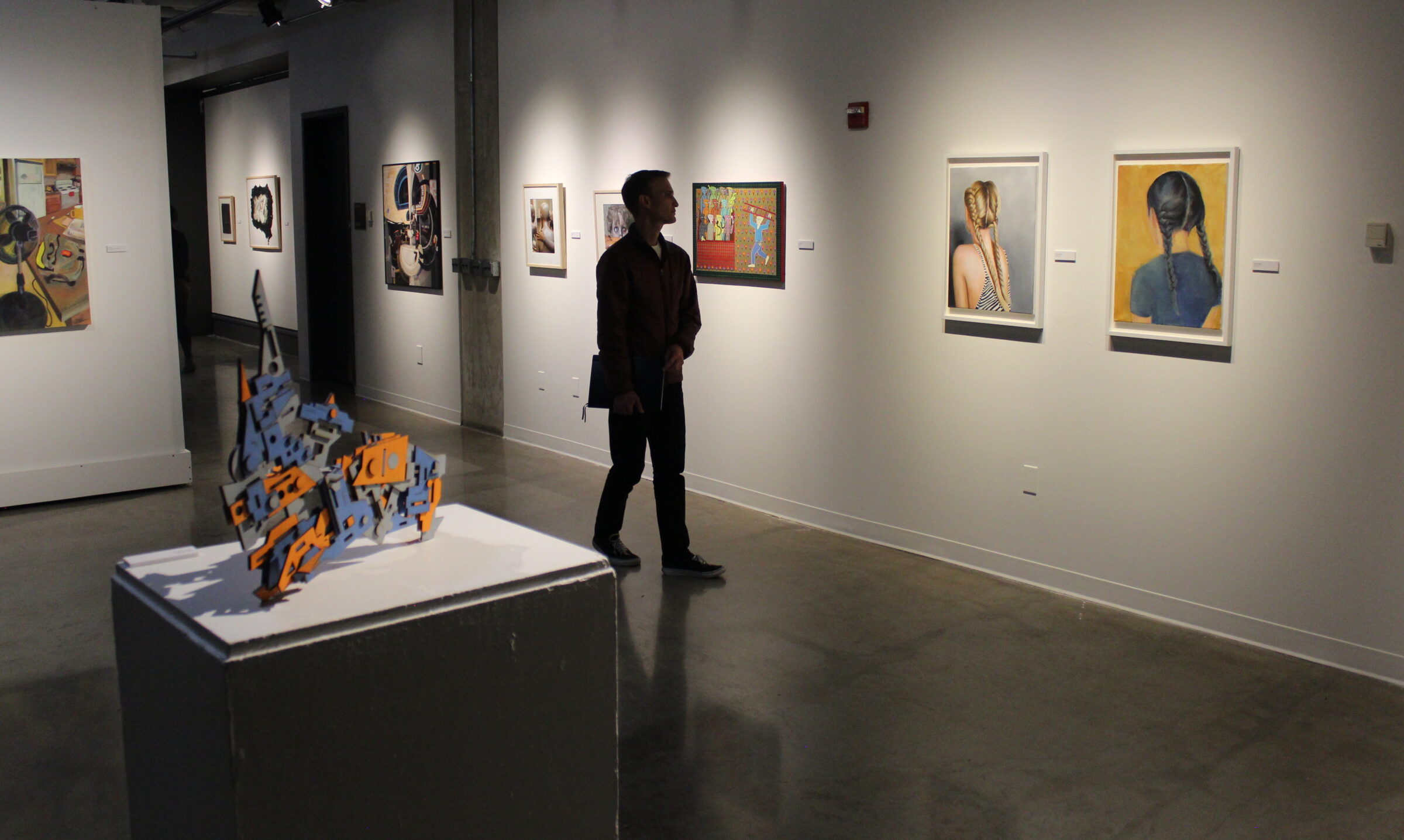
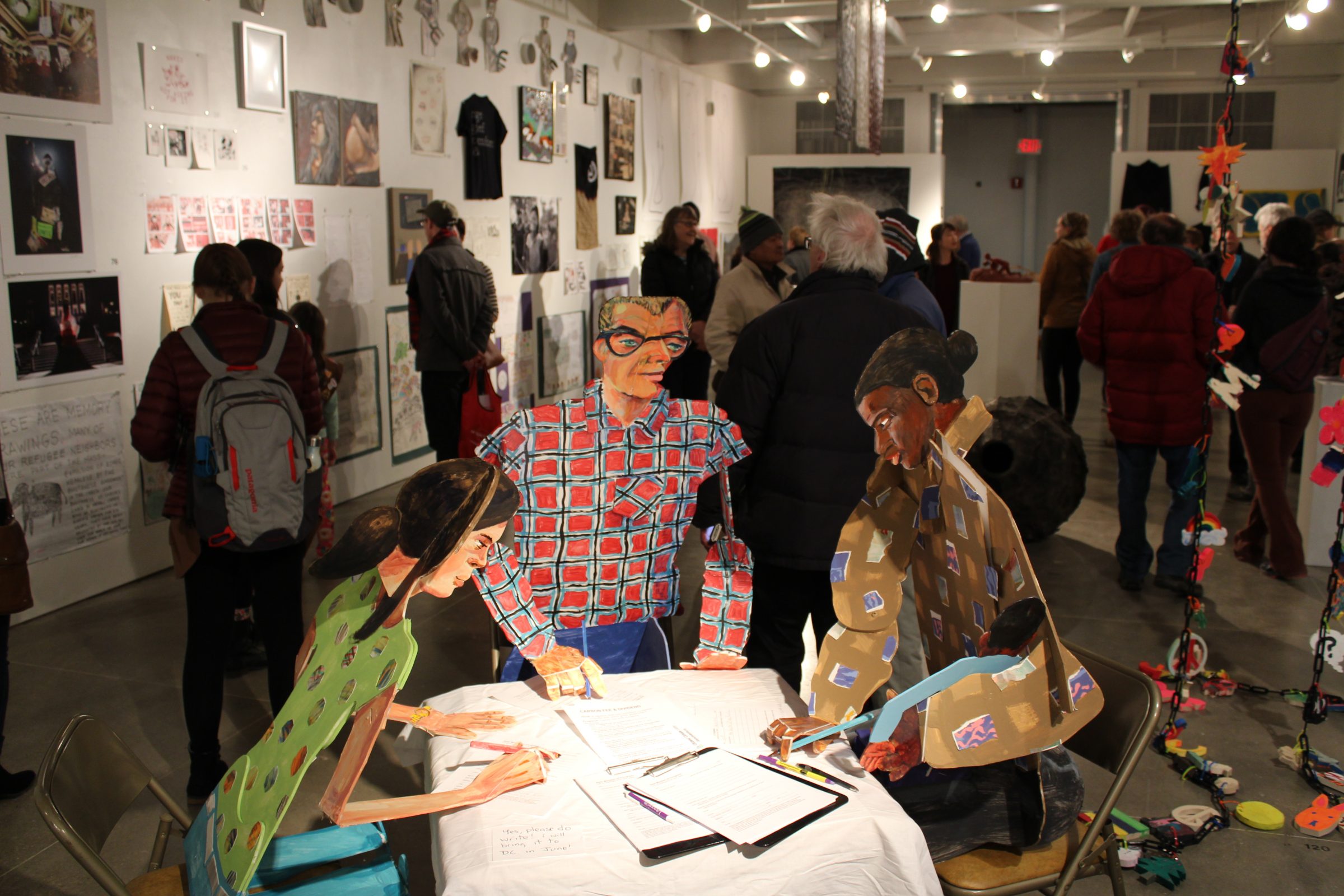
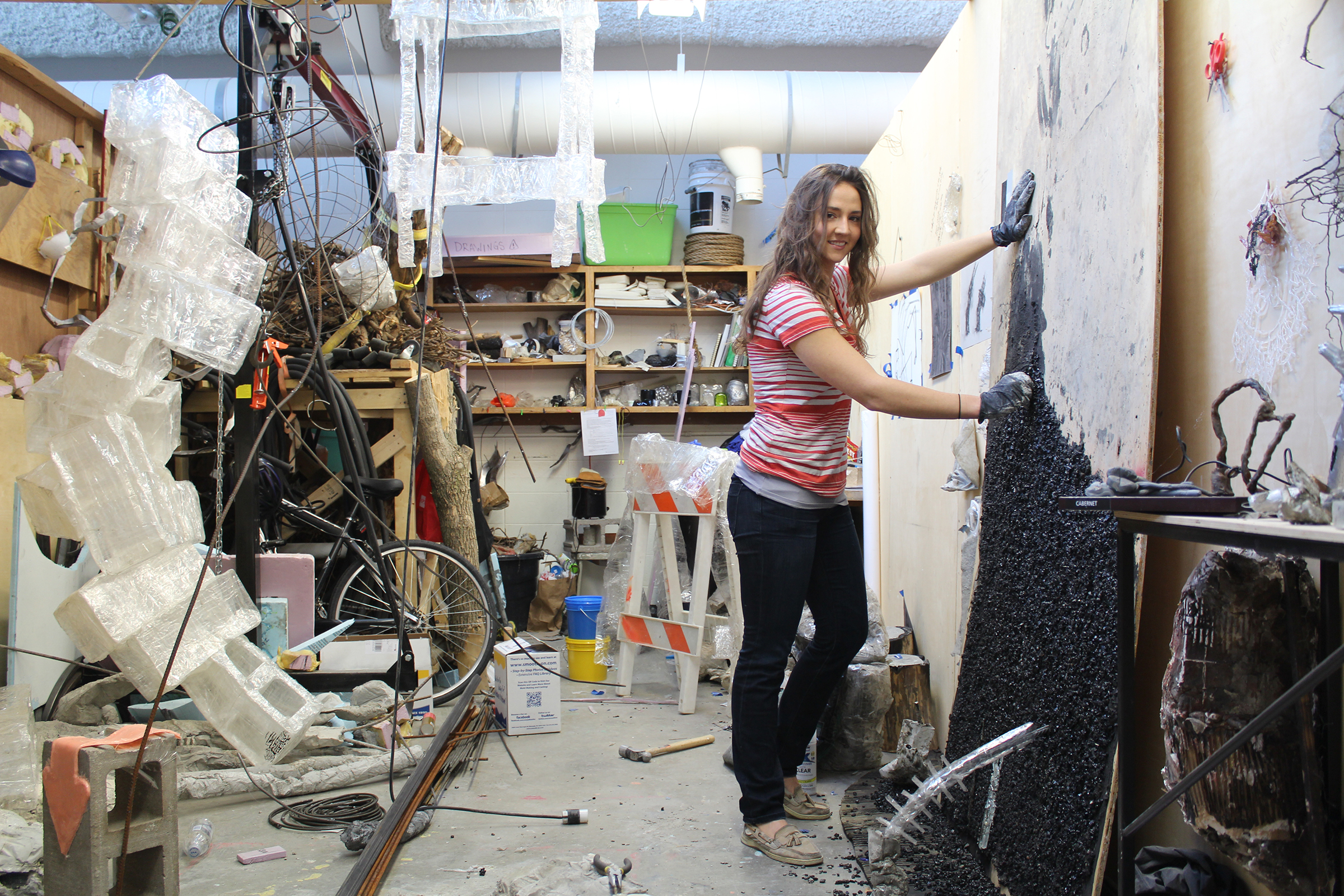
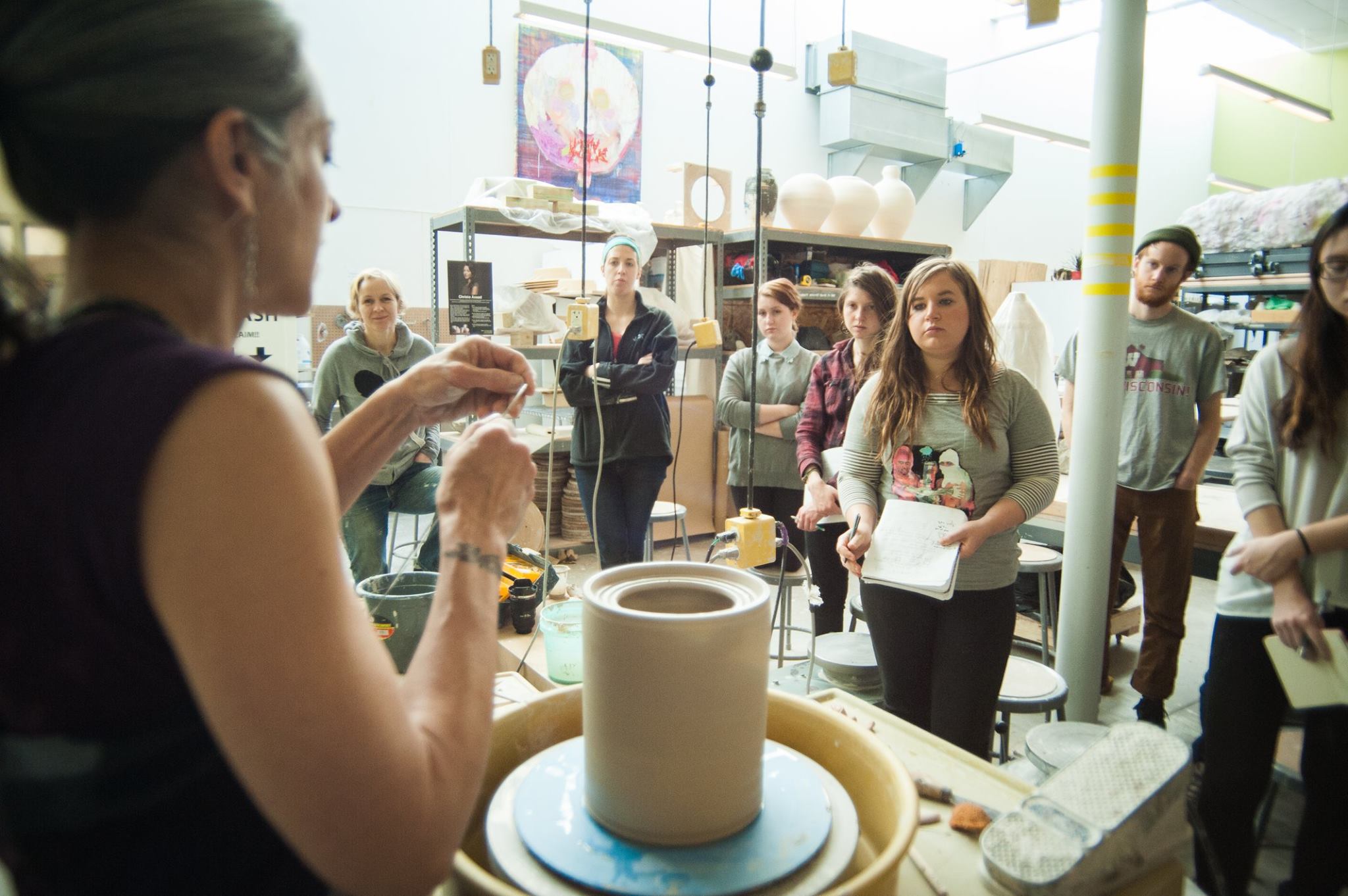
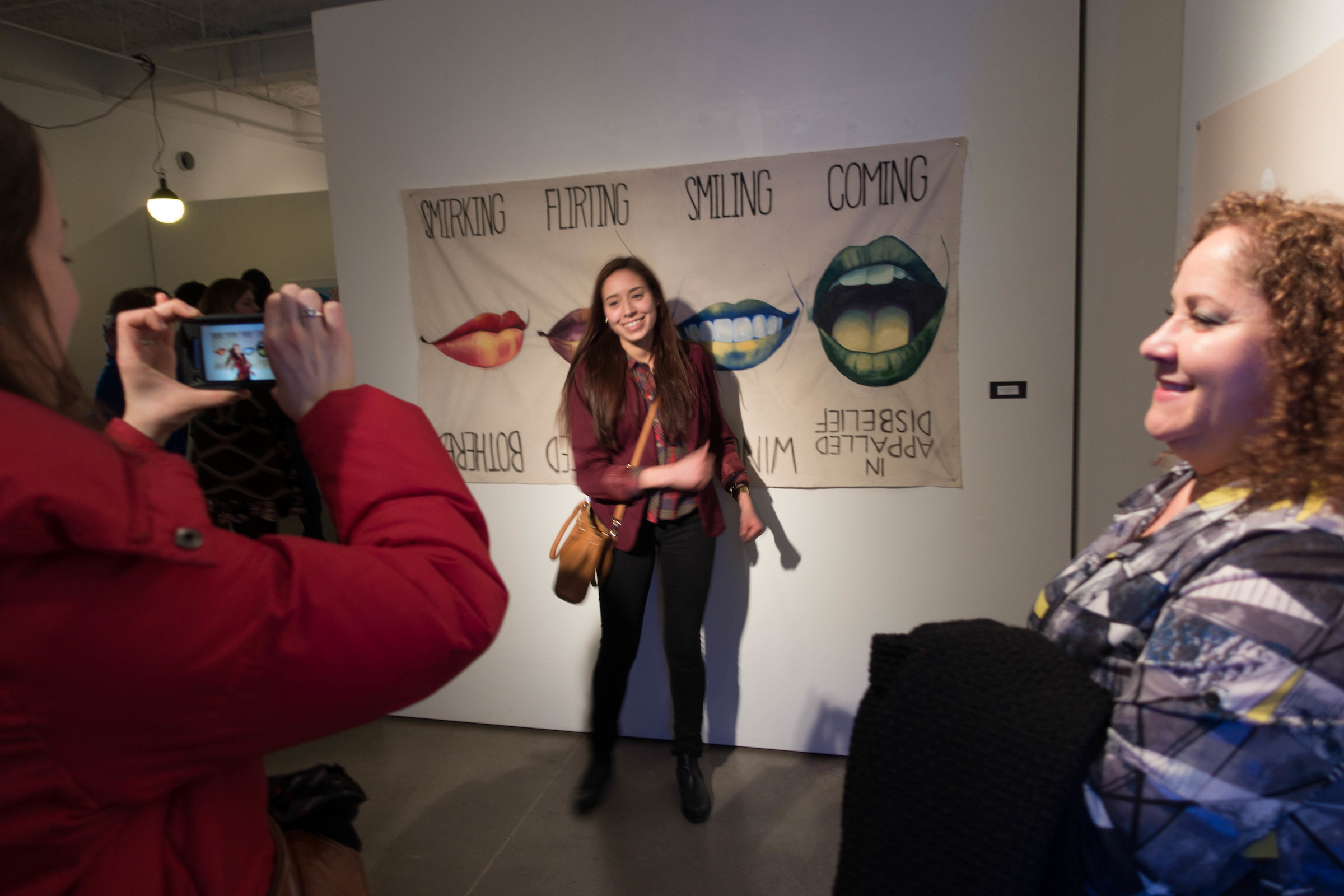
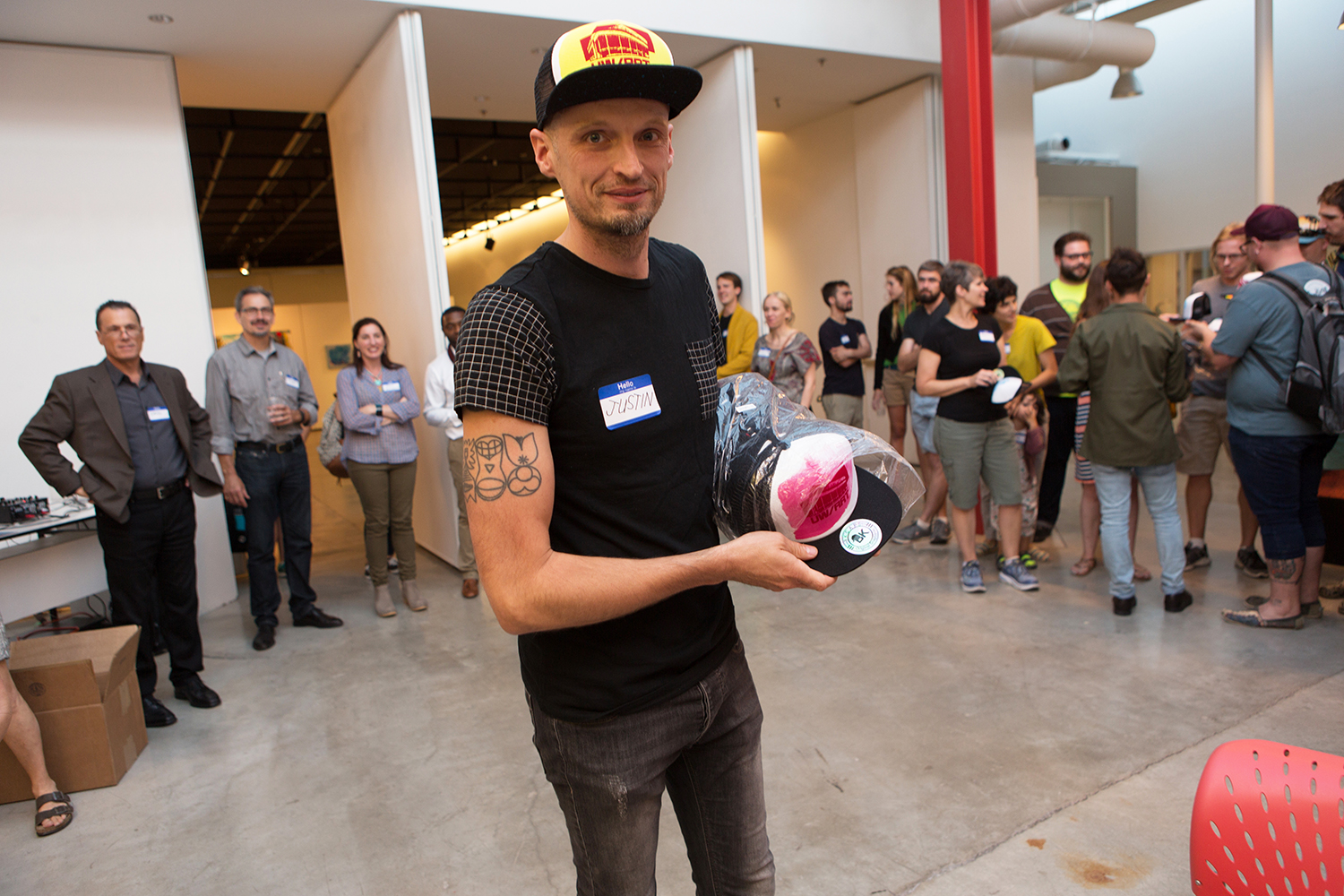
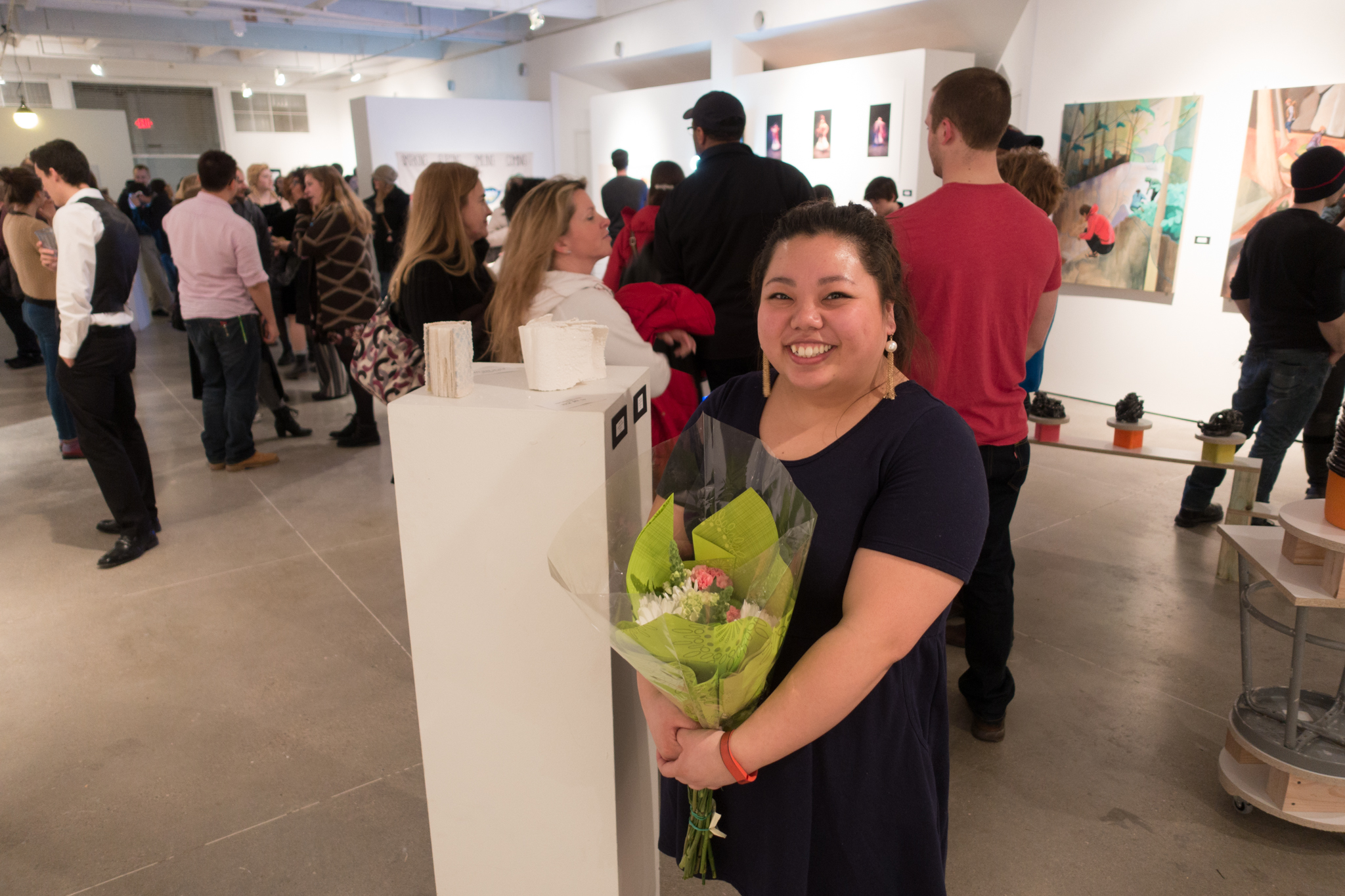
Come visit the University of Wisconsin-Madison Art Department!
Tours are now available by appointment, view our upcoming Art Department events for prospective students at Visit Bucky: apps.admissions.wisc.edu/visitbucky/

Arts at UW
Did you know?
The UW-Madison Art Department is:
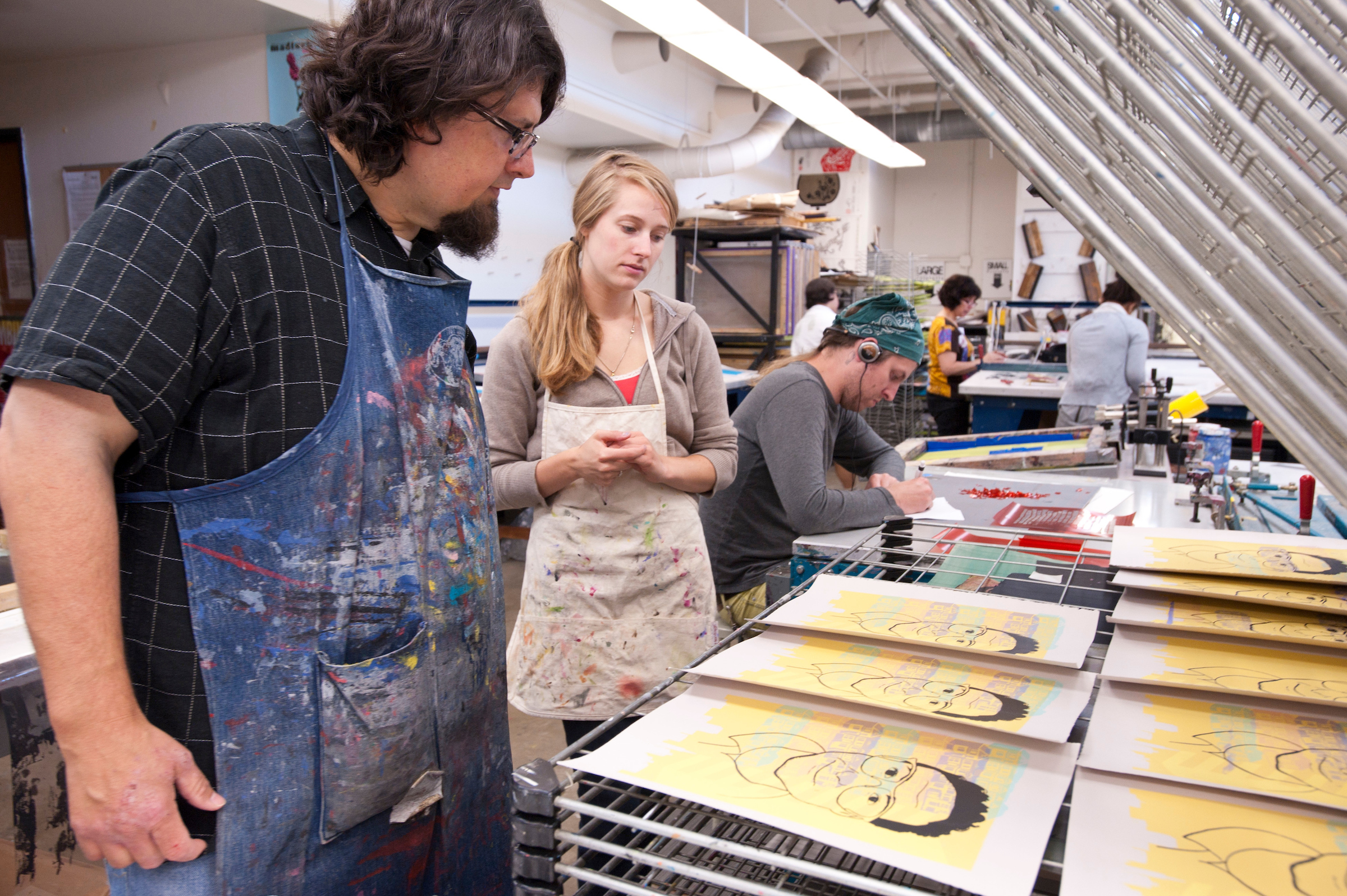
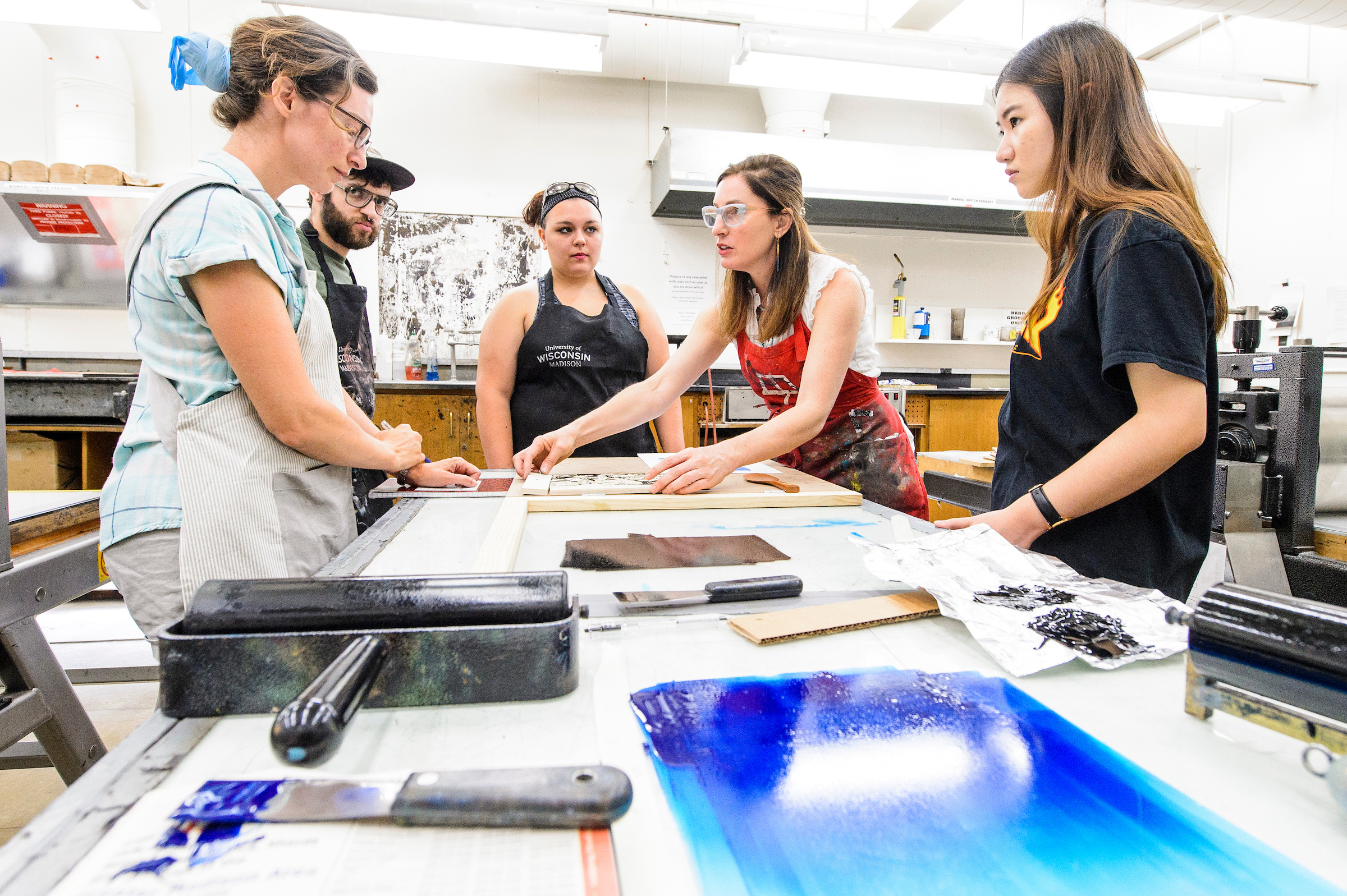
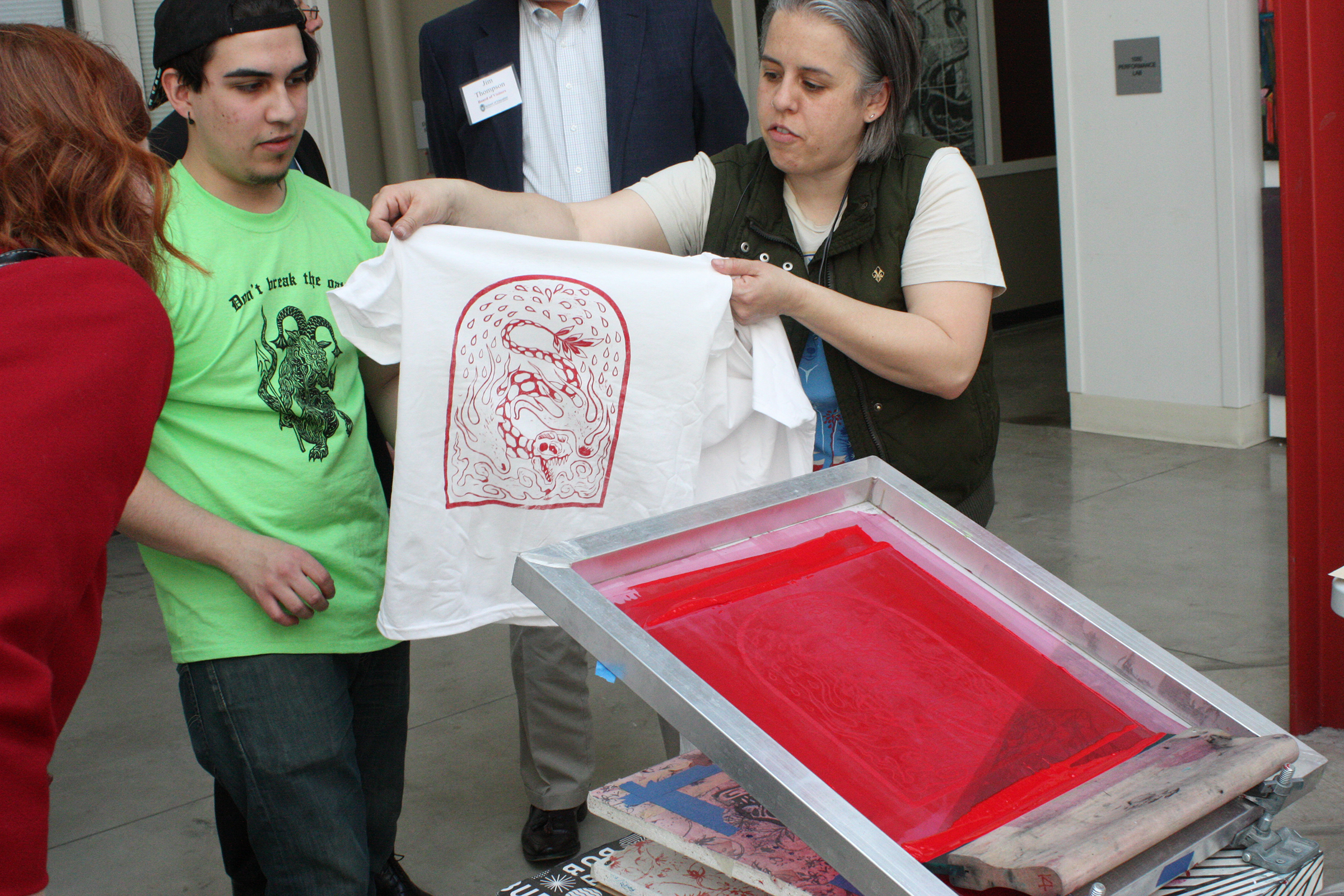
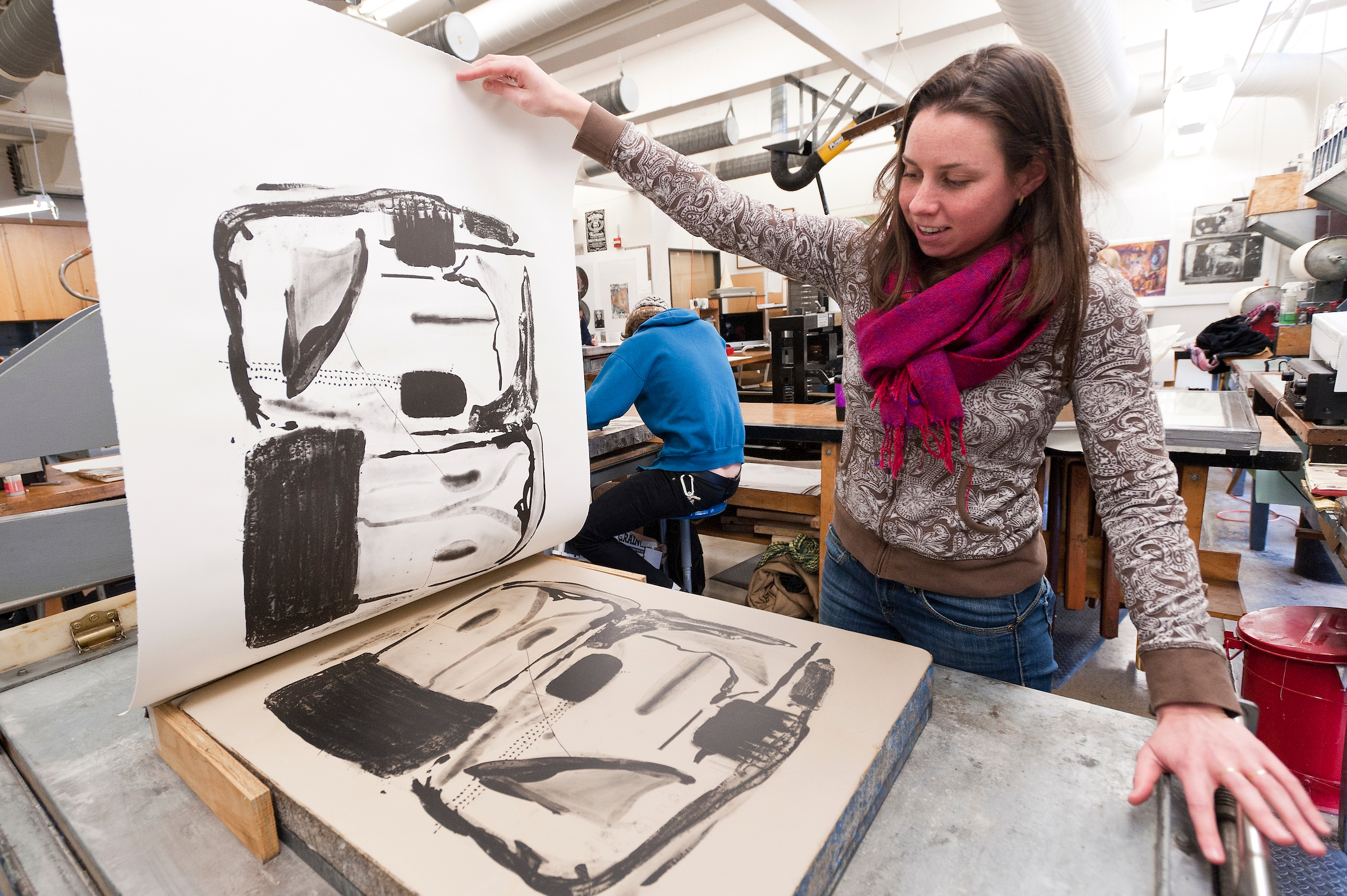
- #1 in Printmaking
- Ranked among the top 15 Fine Arts MFA programs
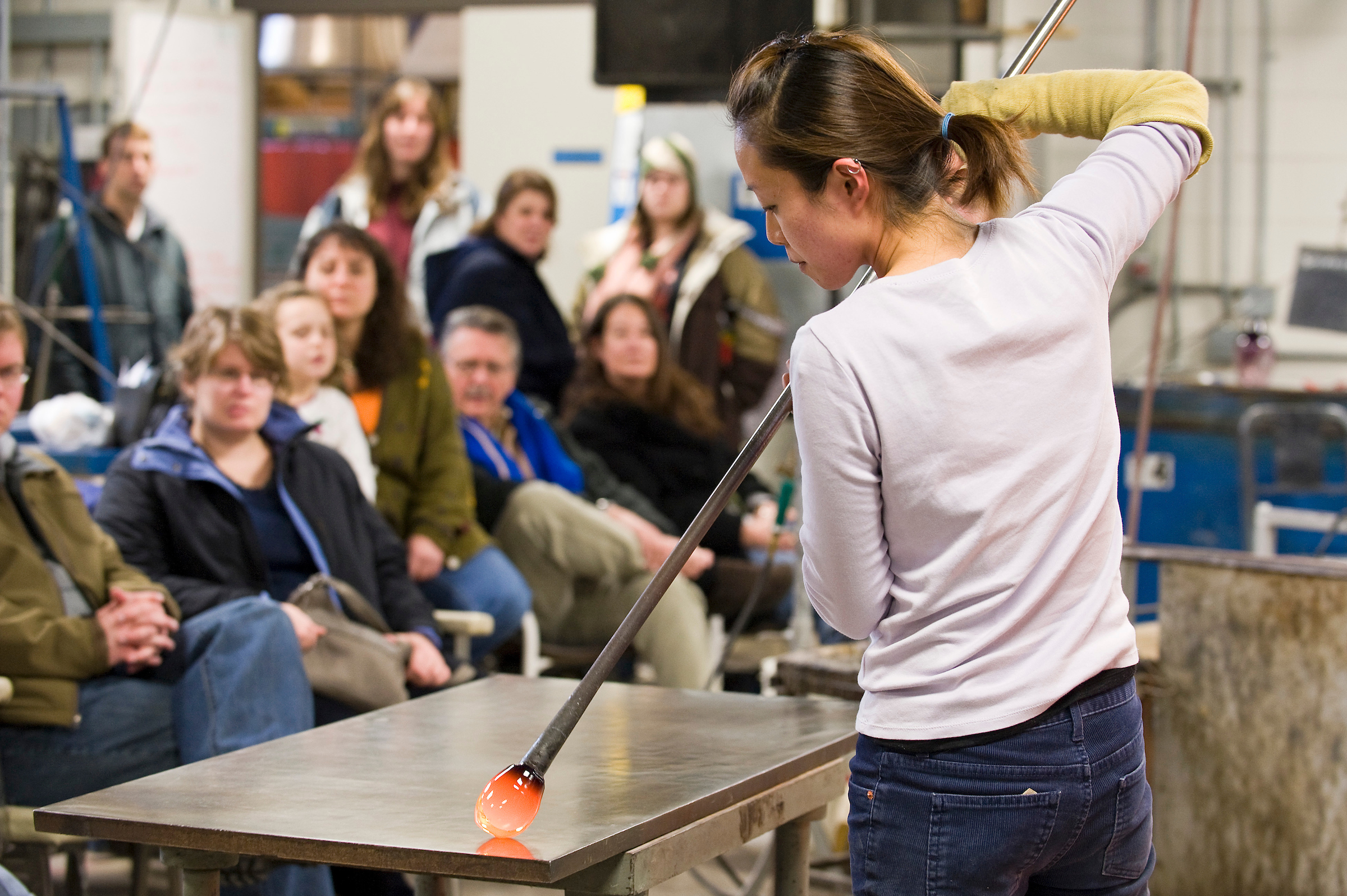
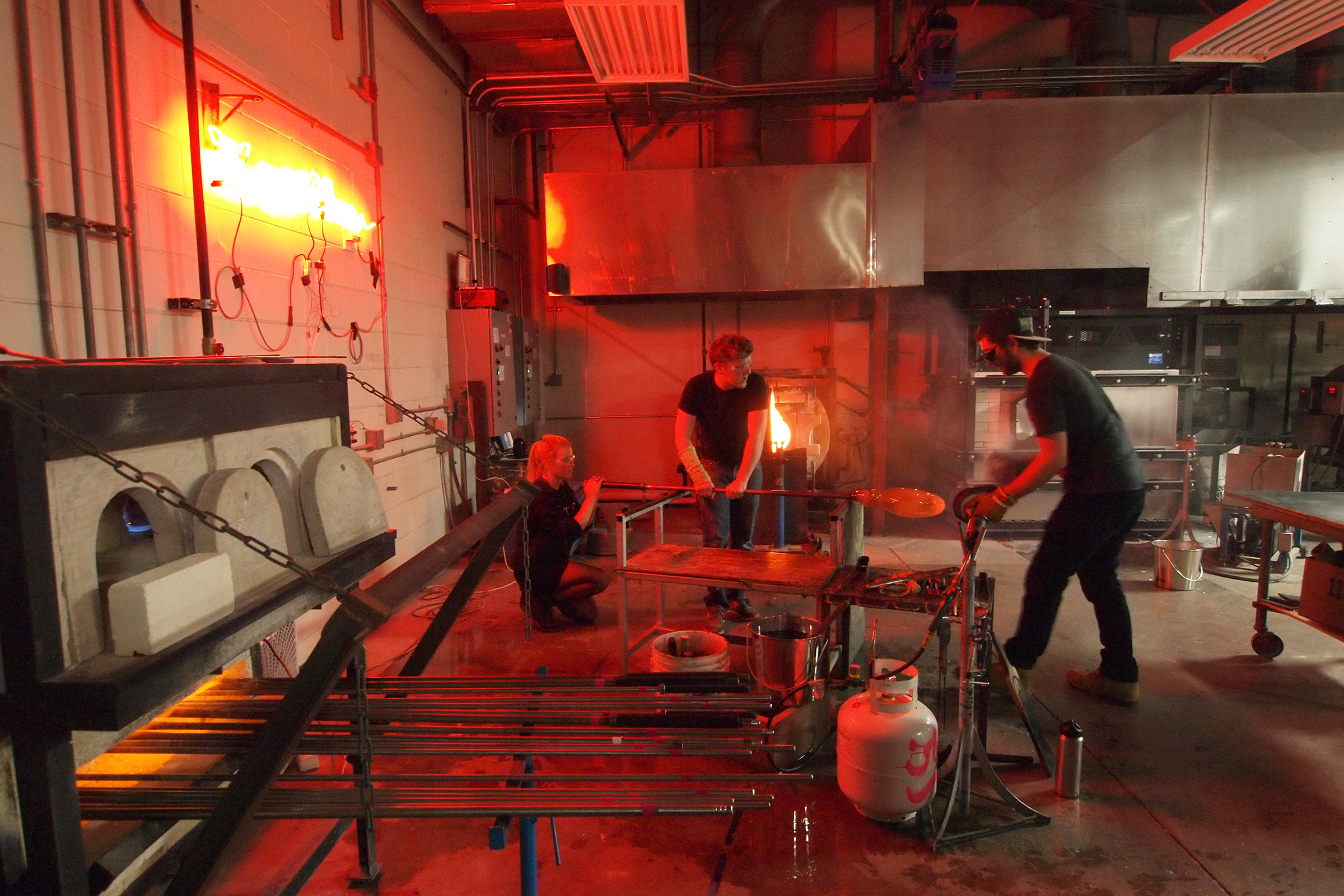
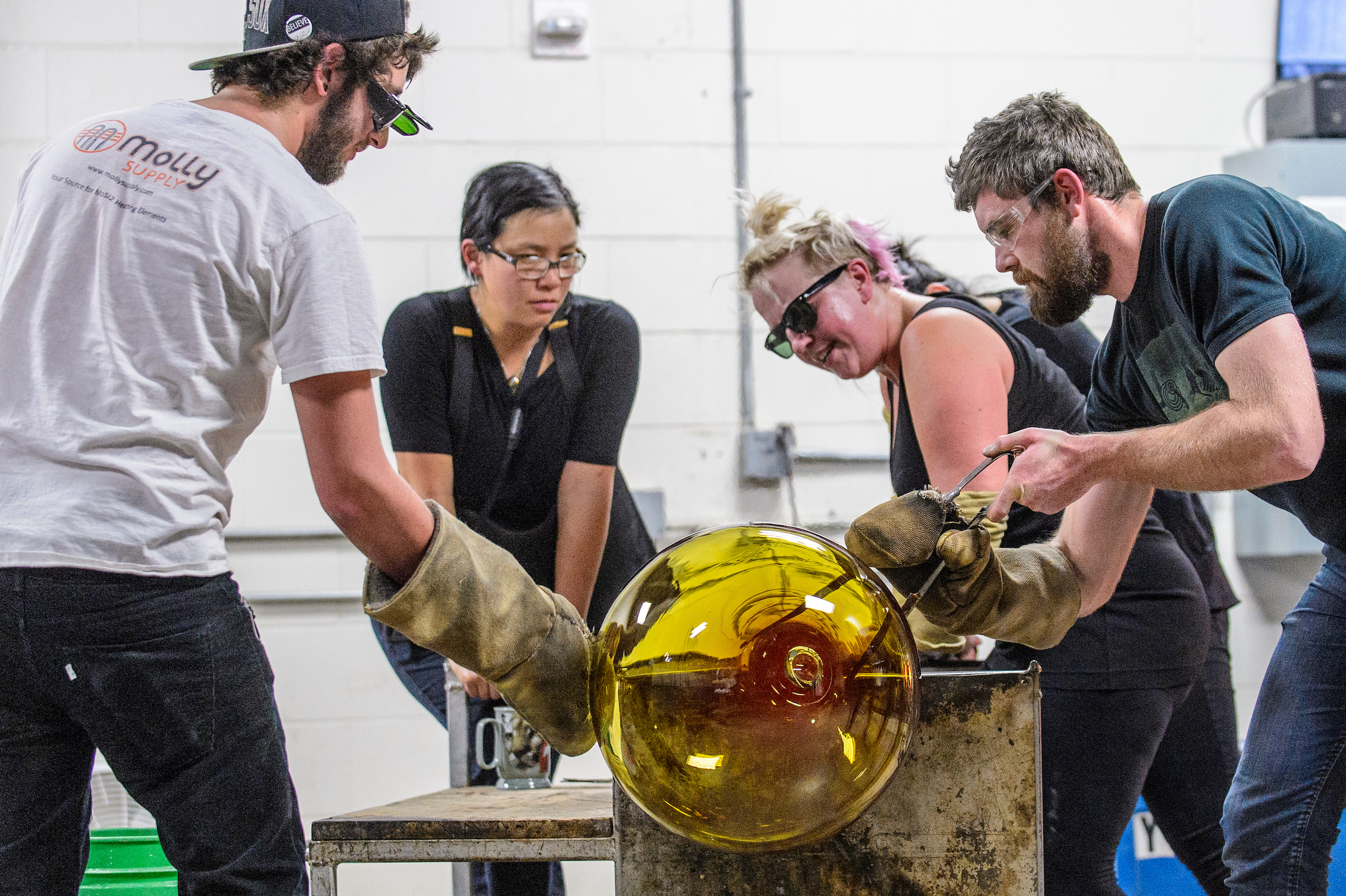
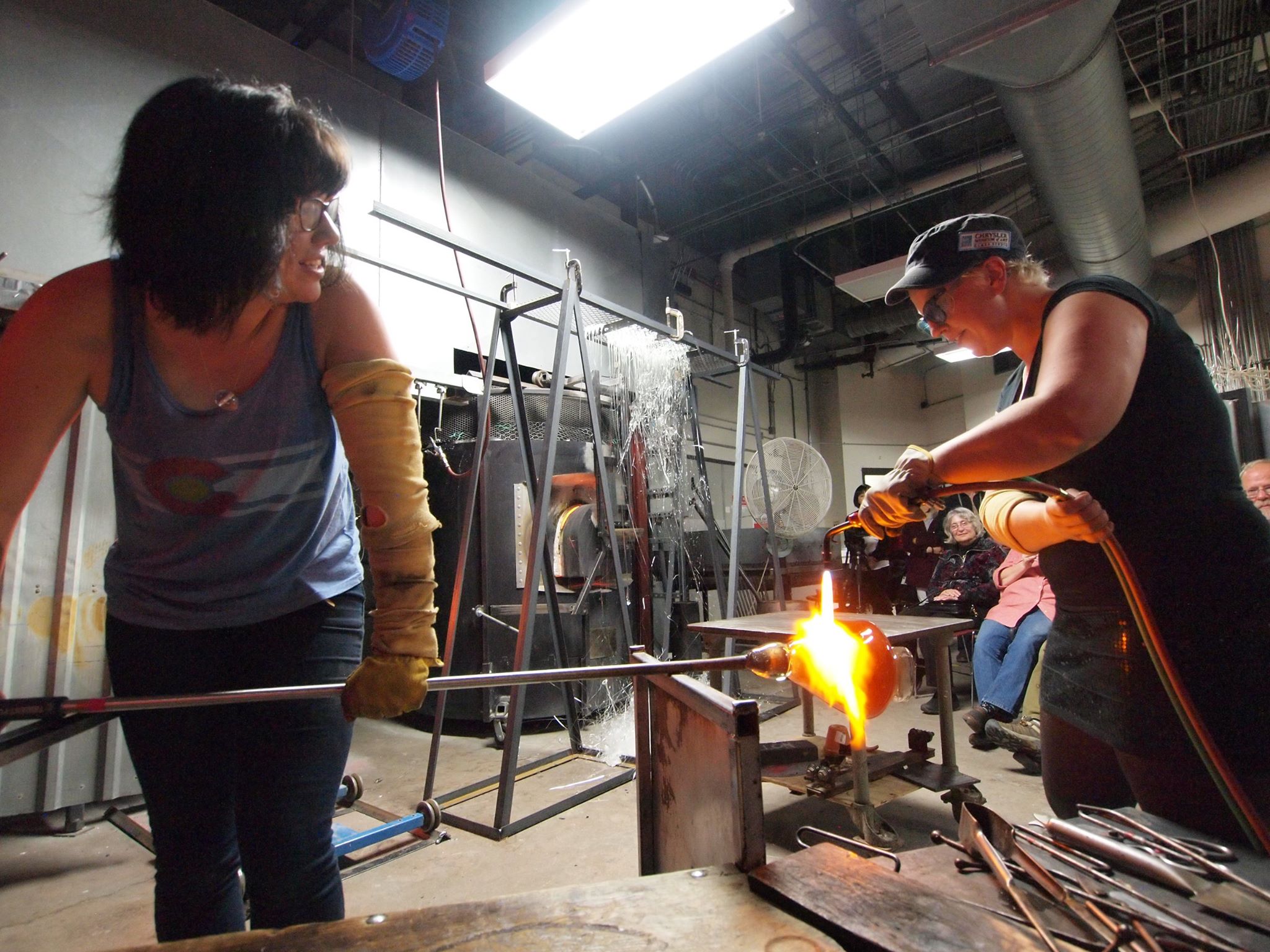
- Founded the 1st collegiate Glass program in the U.S.
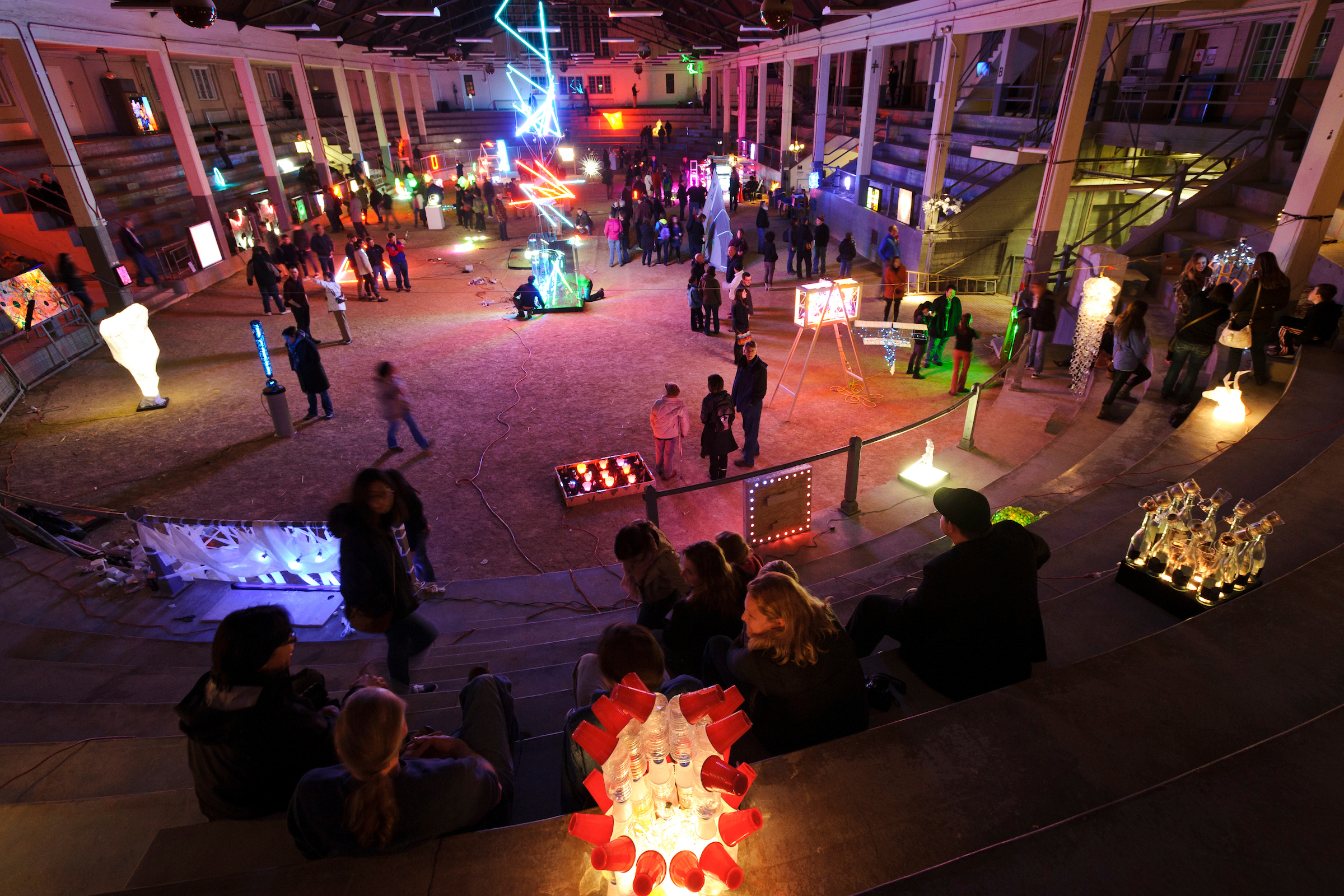
- 1 of only 5 universities in the nation with a Neon program
Ranking Source: U.S. News & World Report
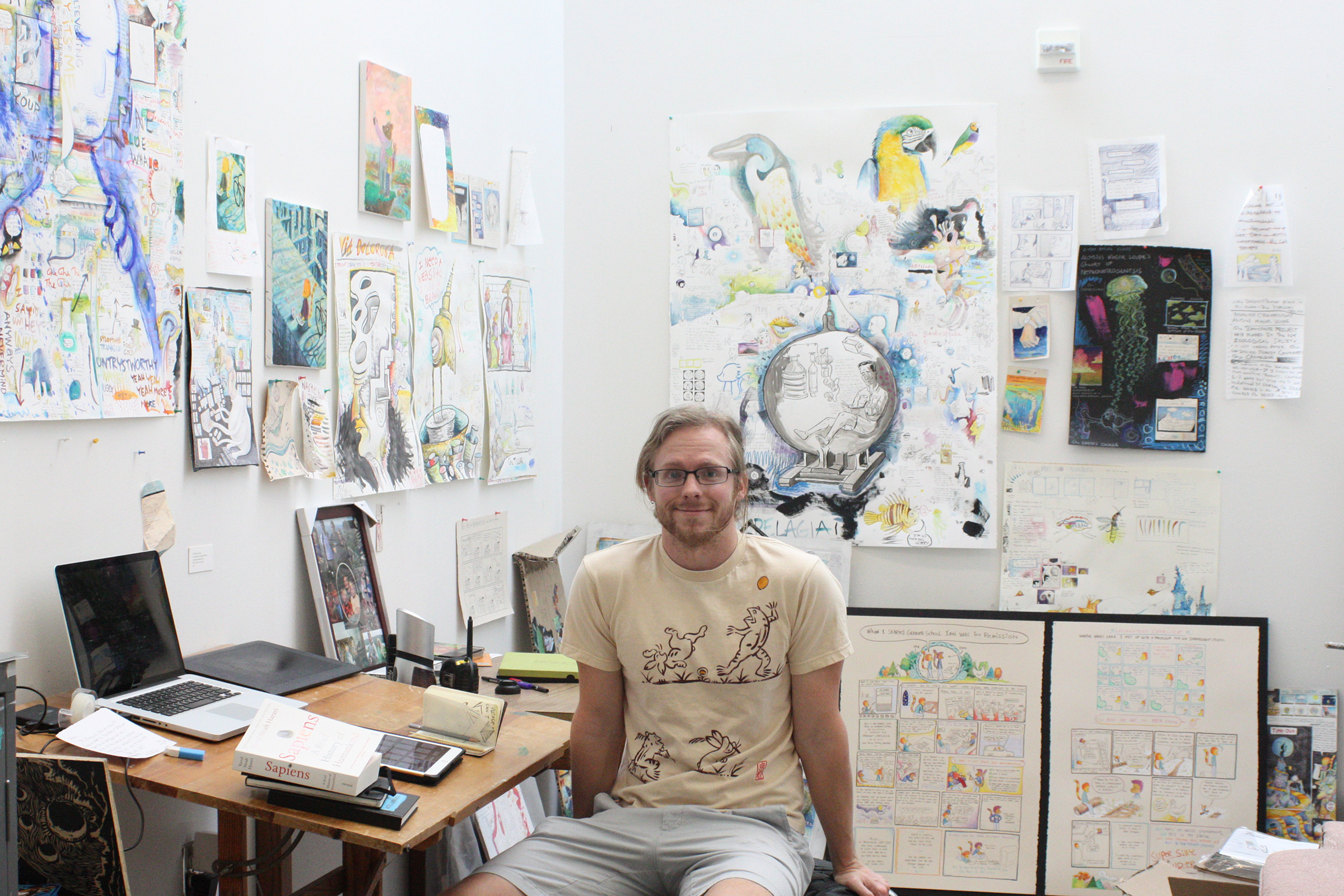
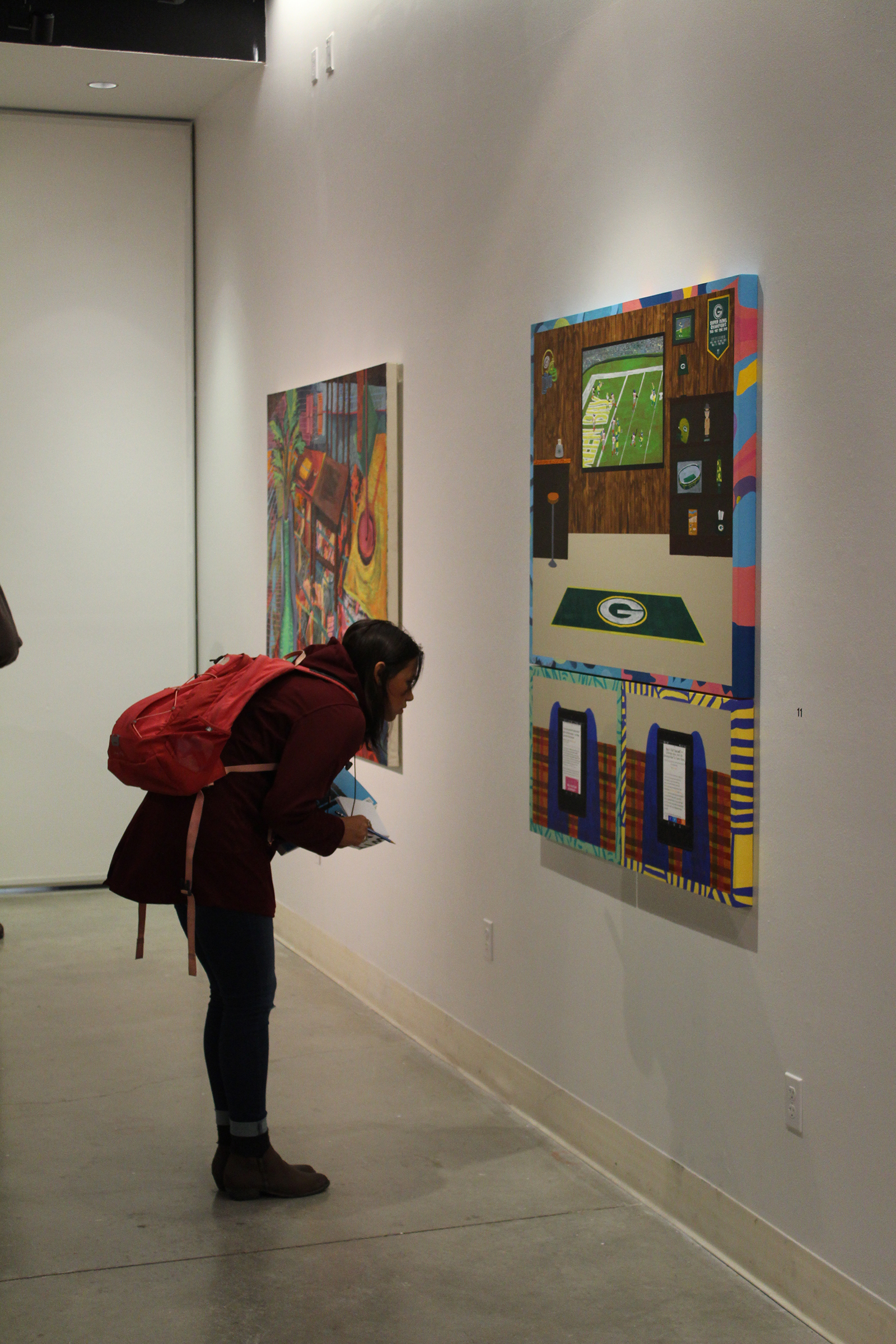
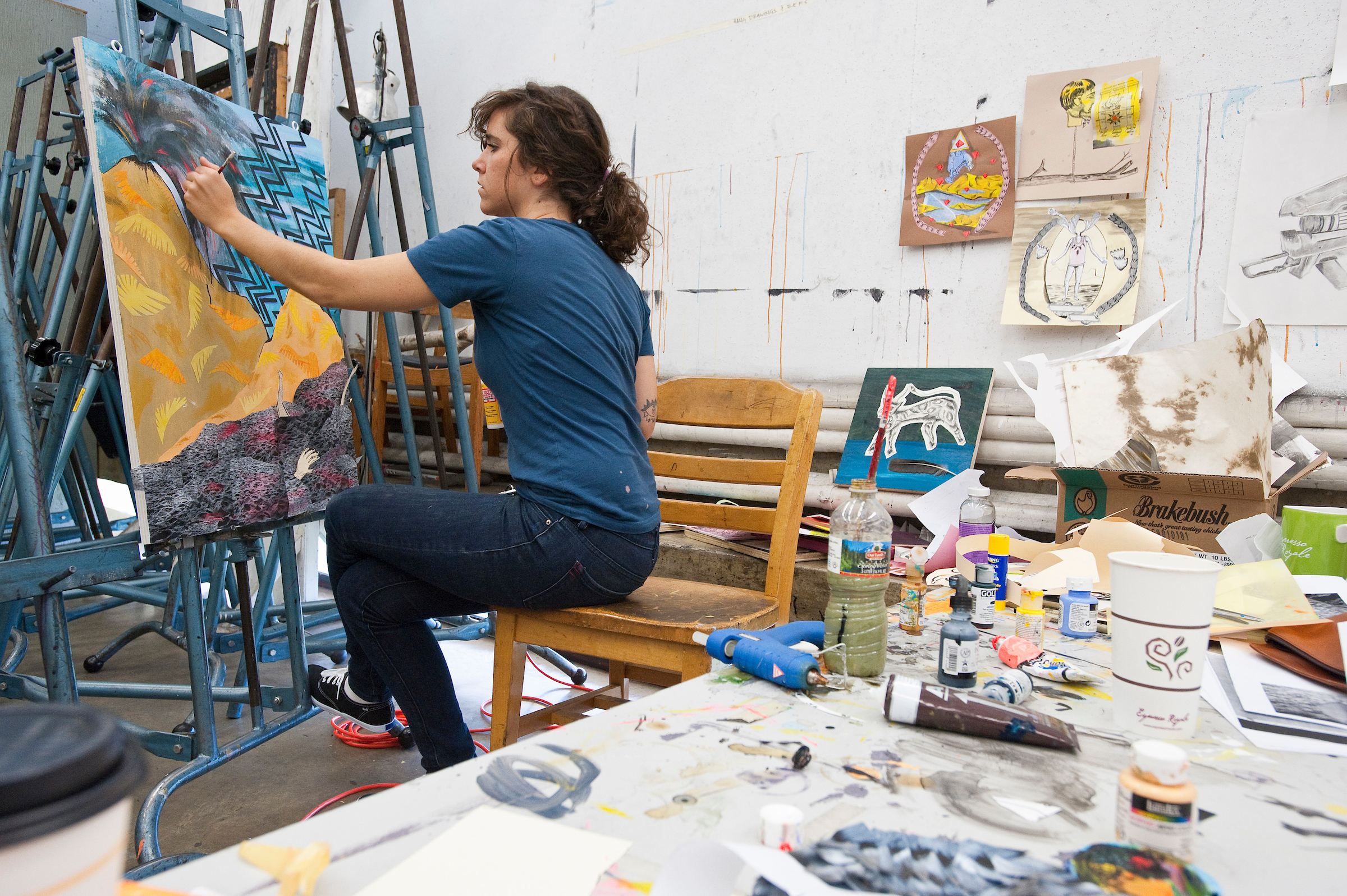
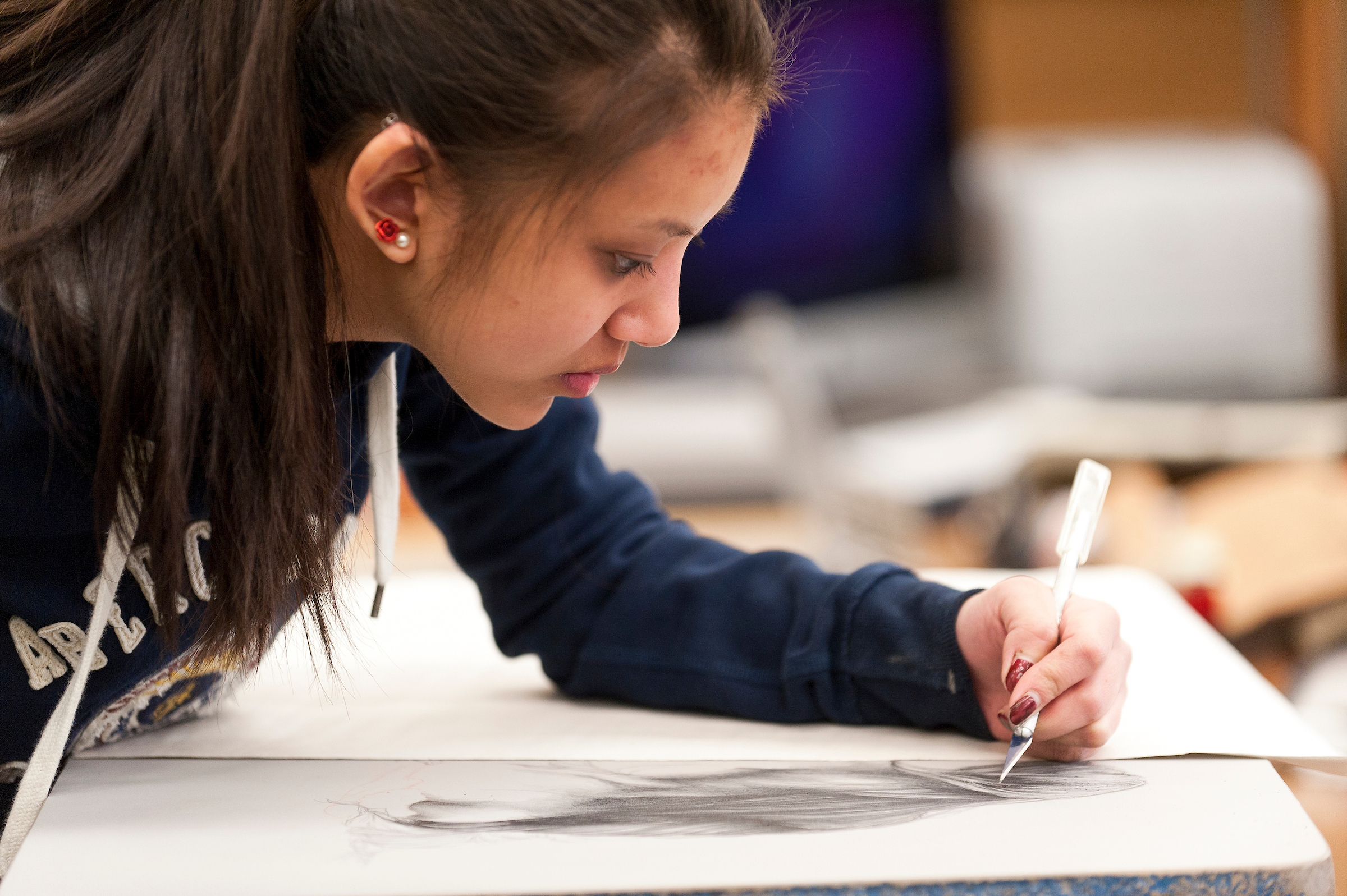
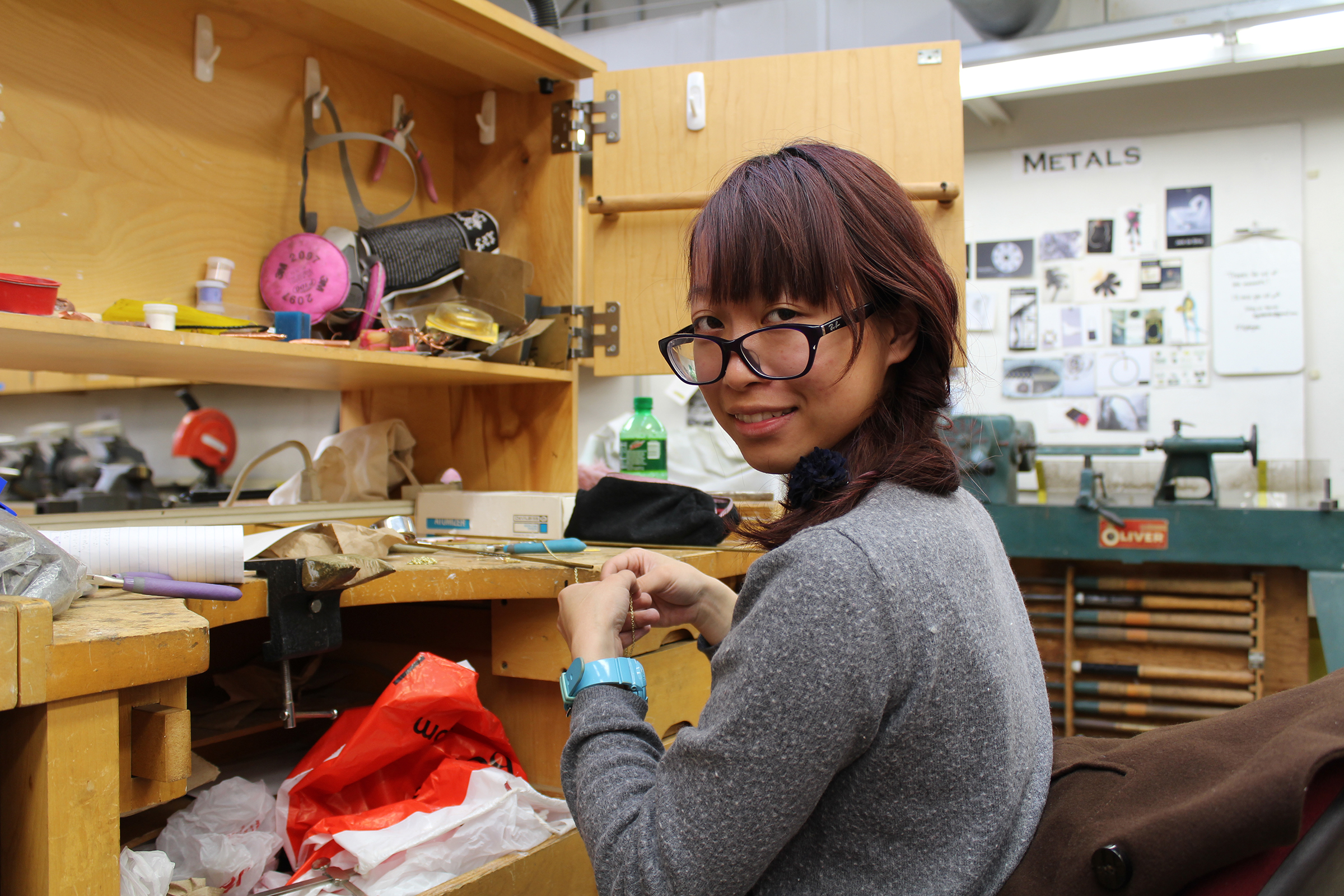
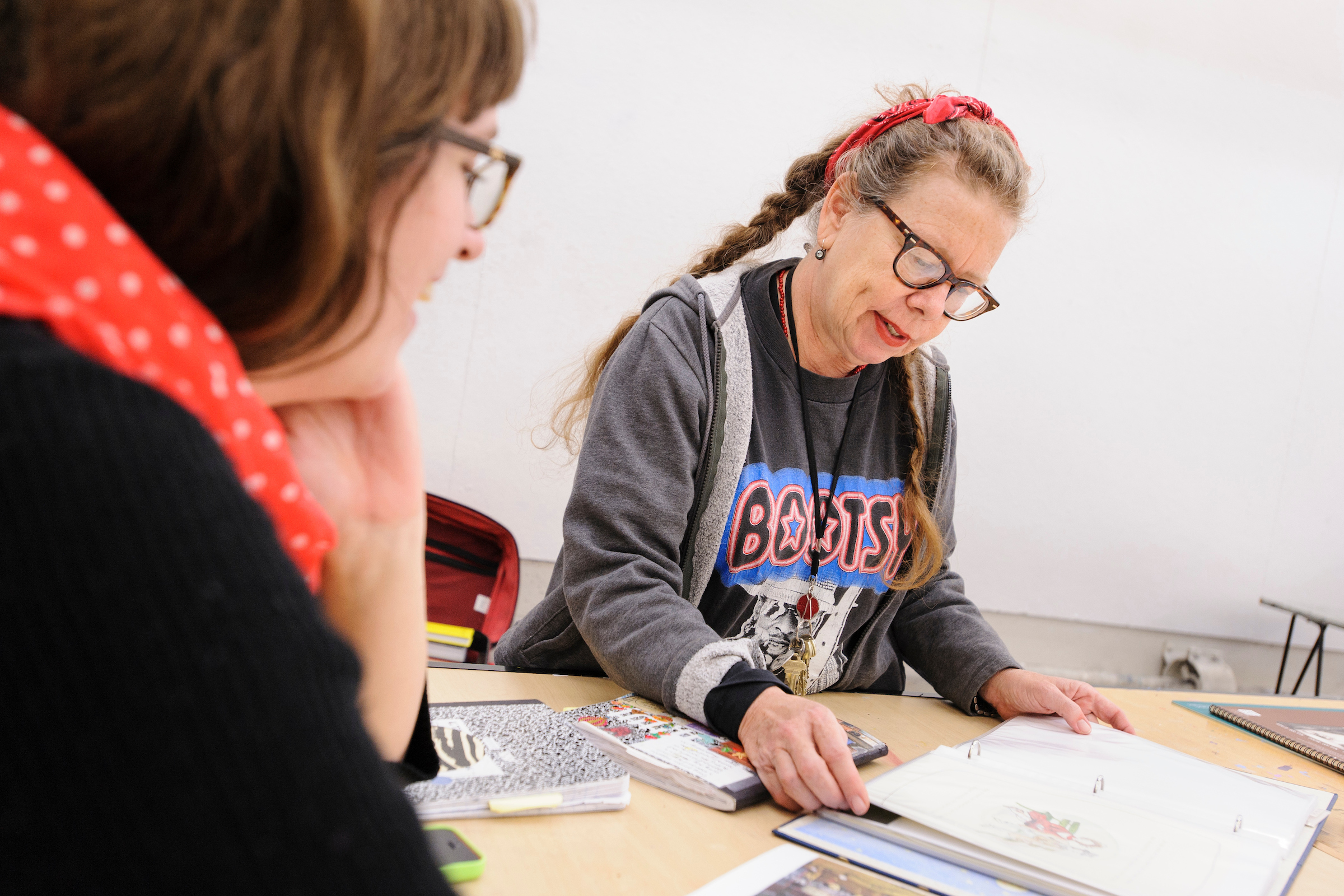
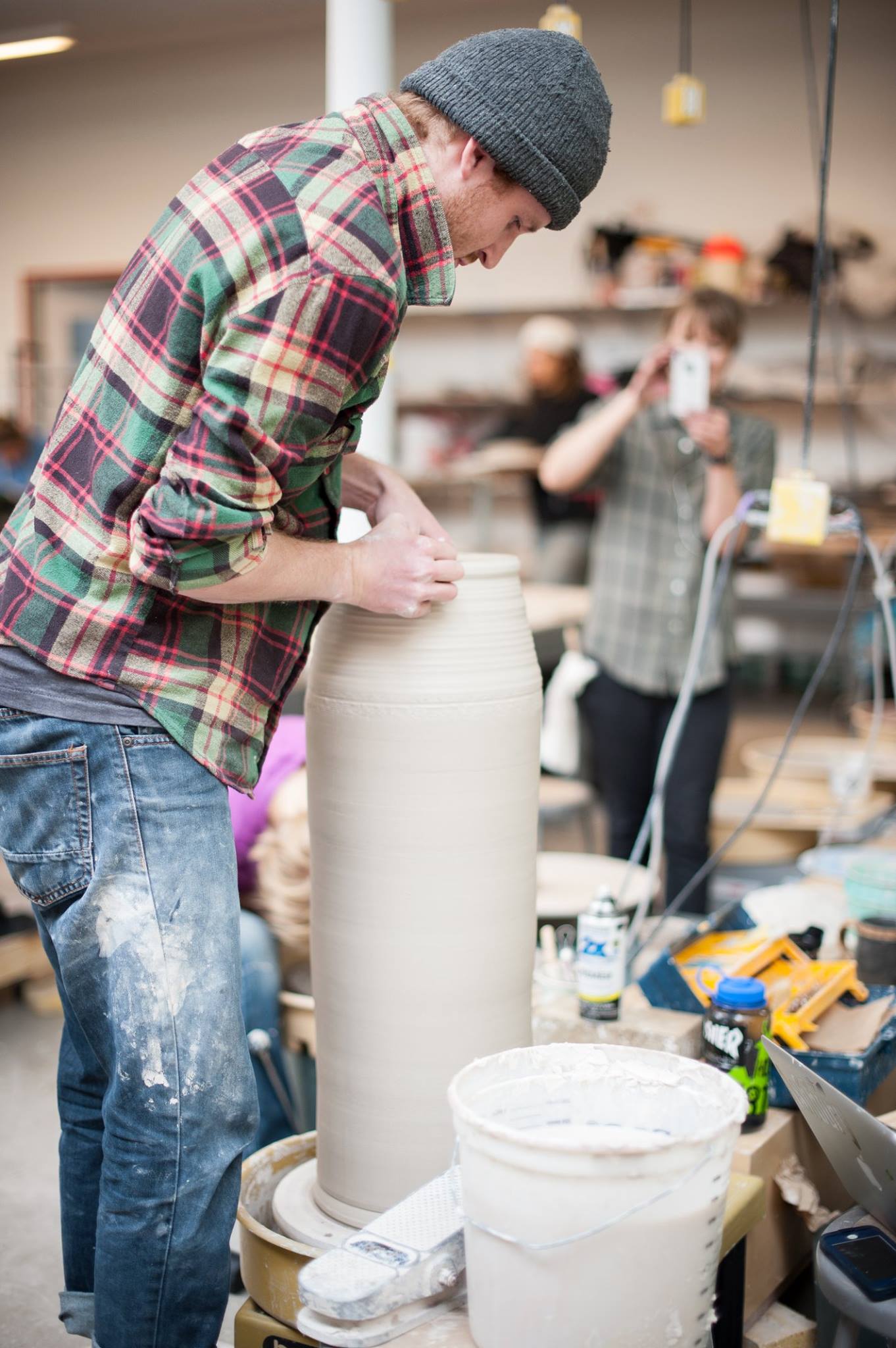
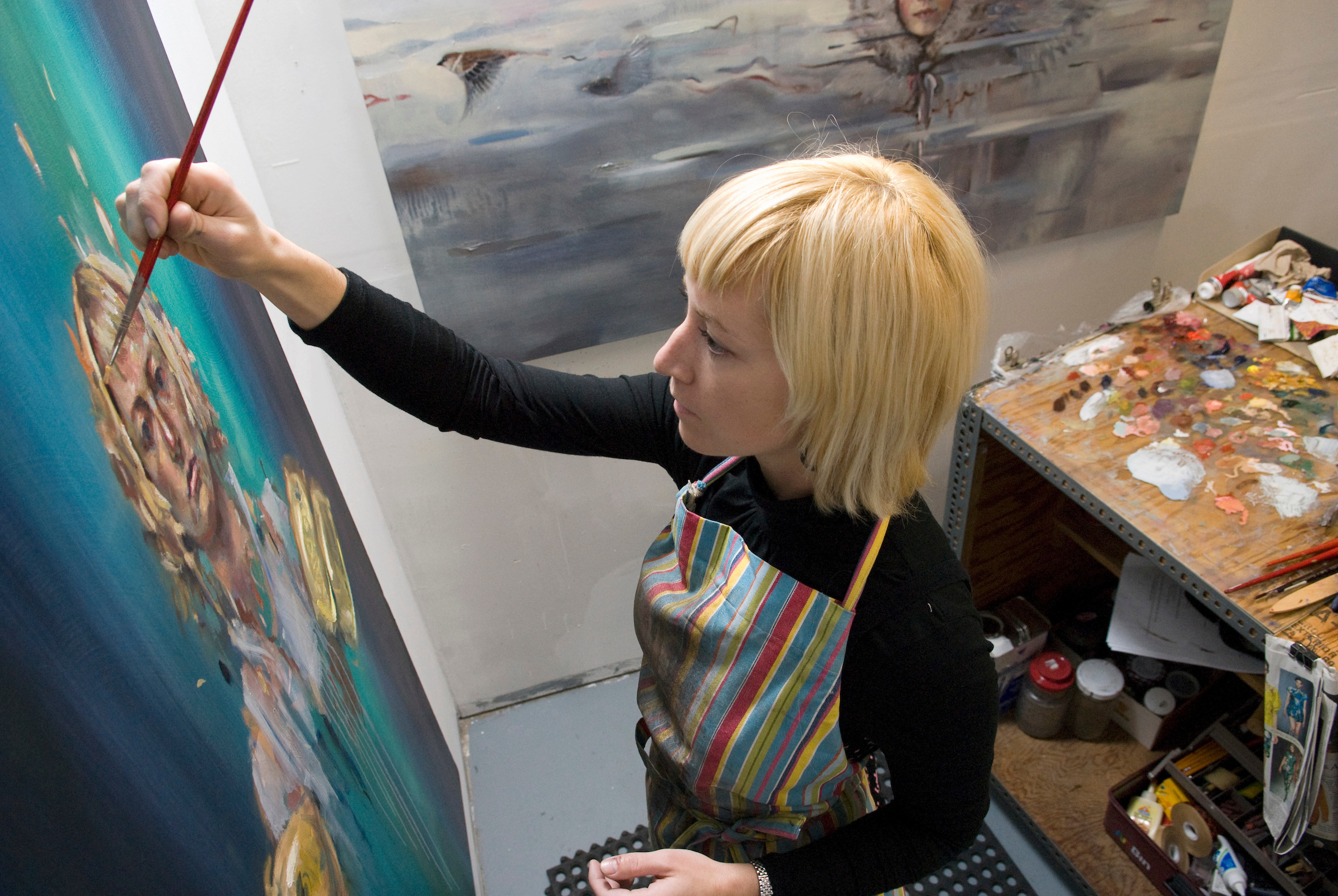
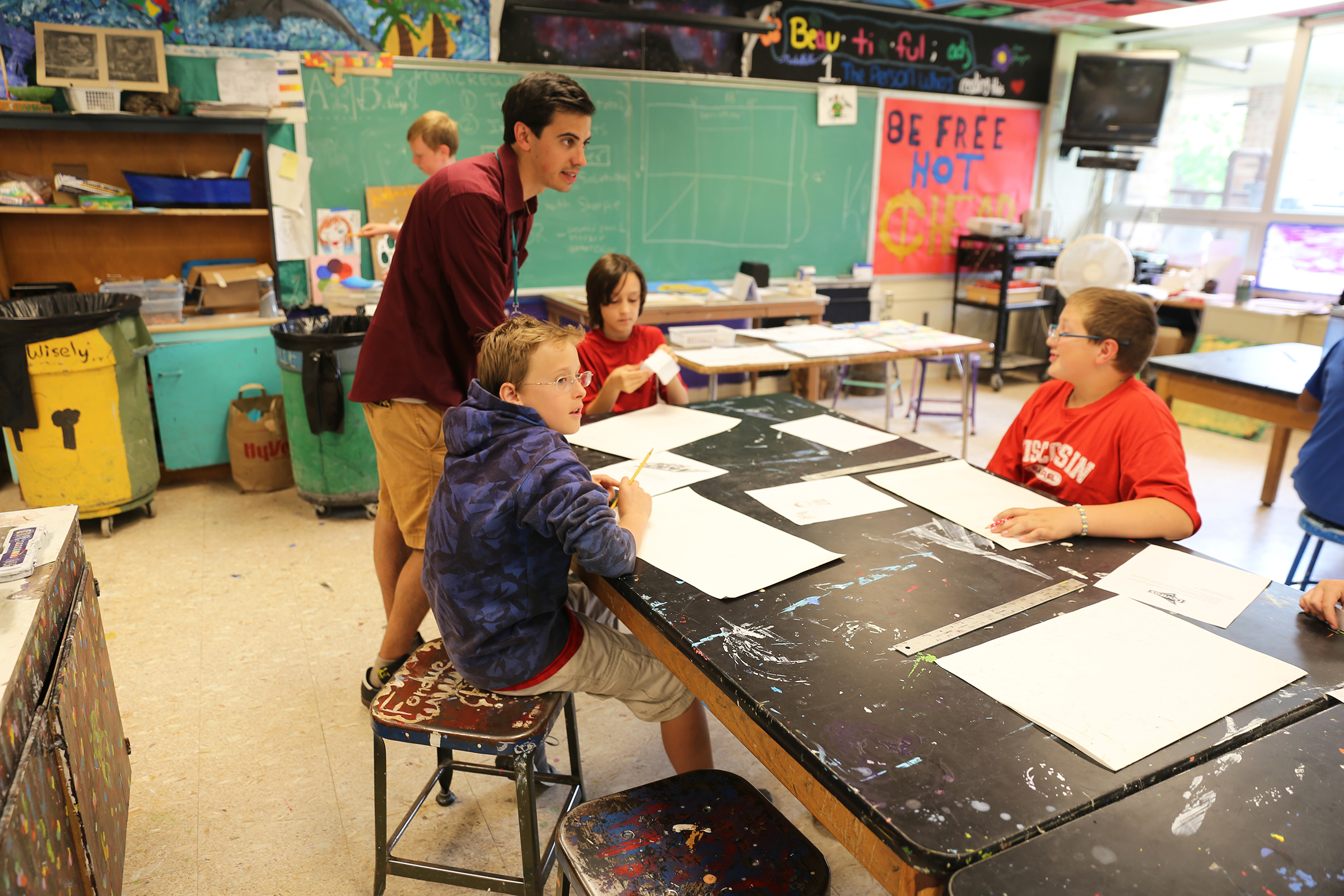
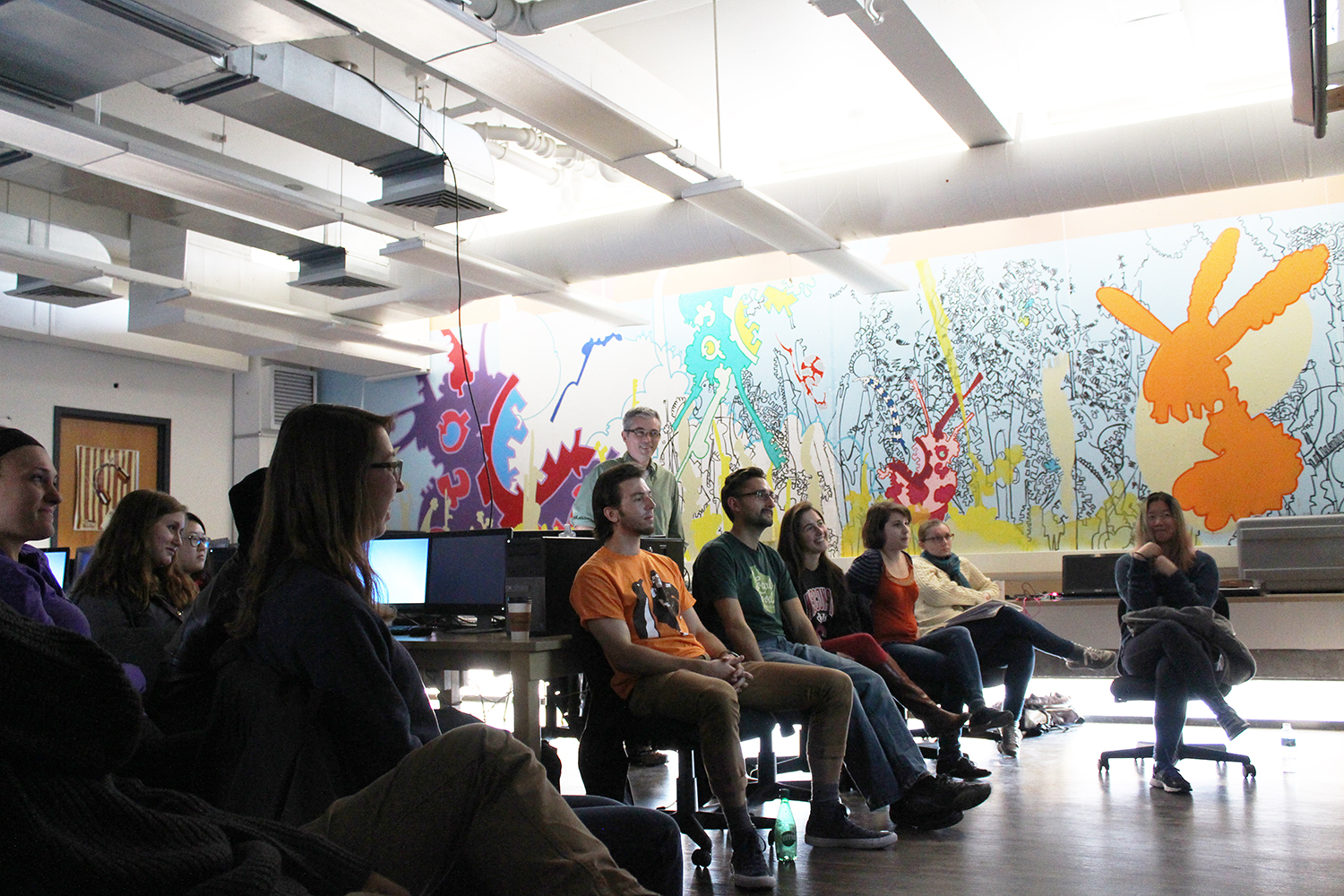
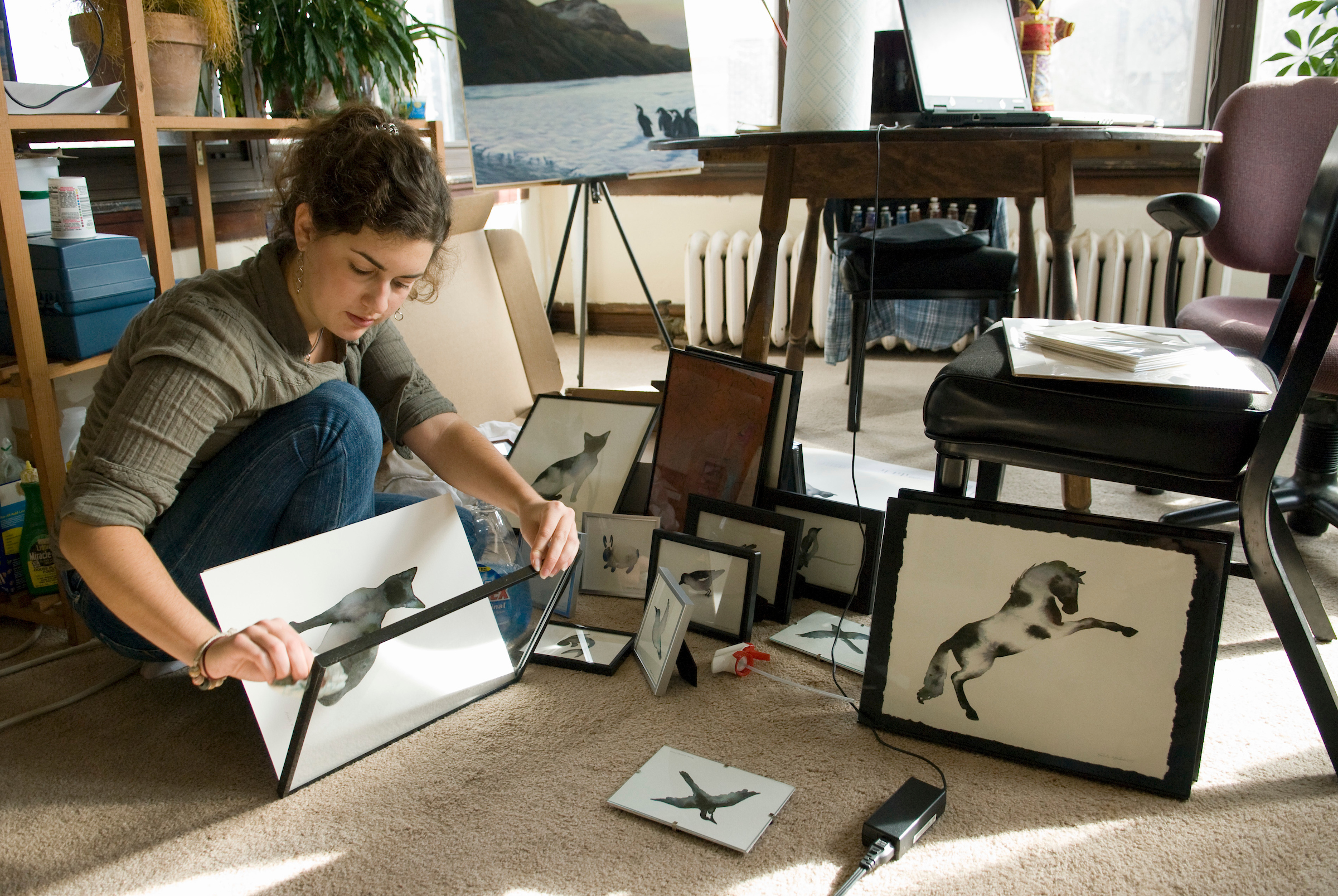
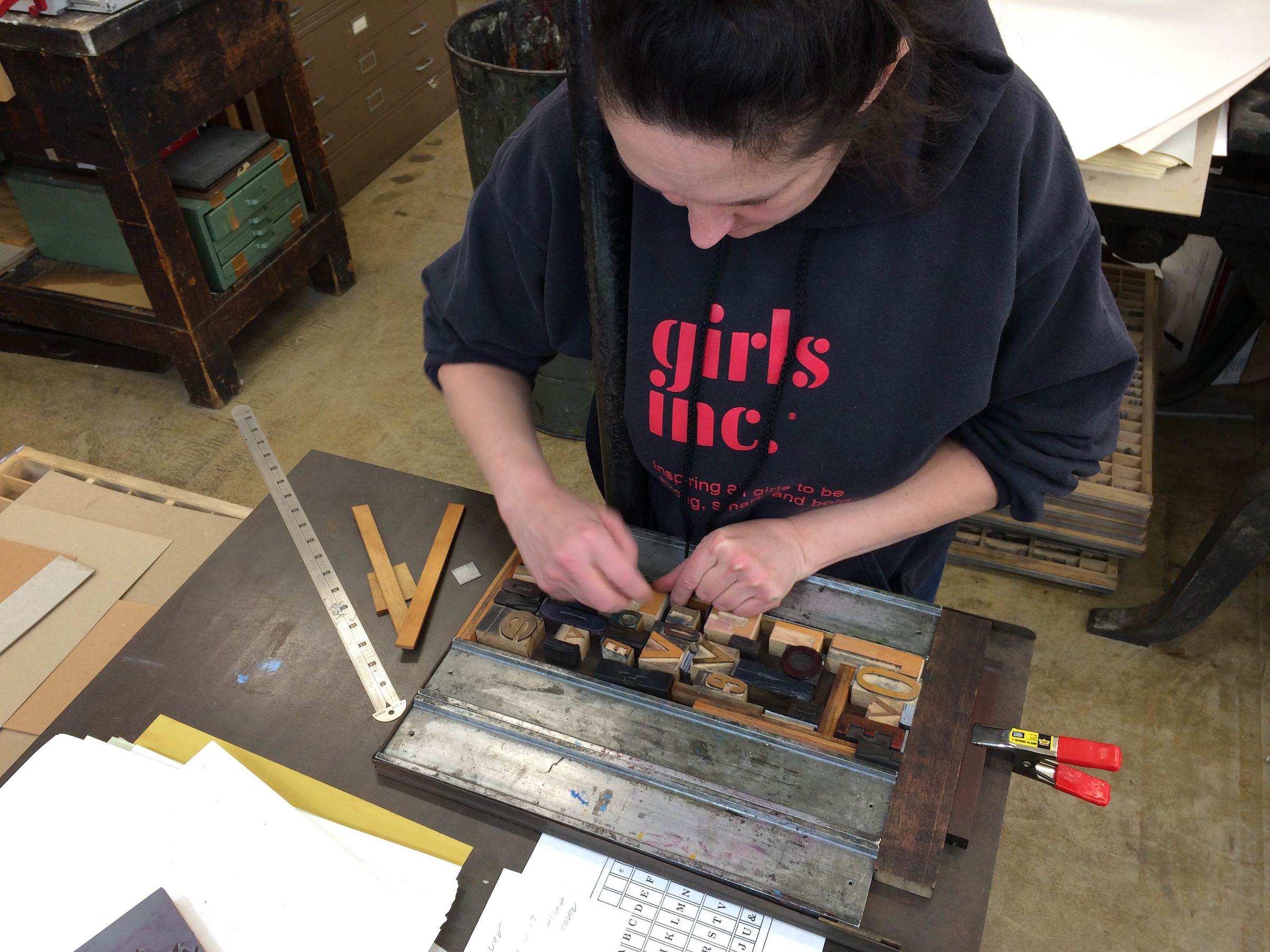
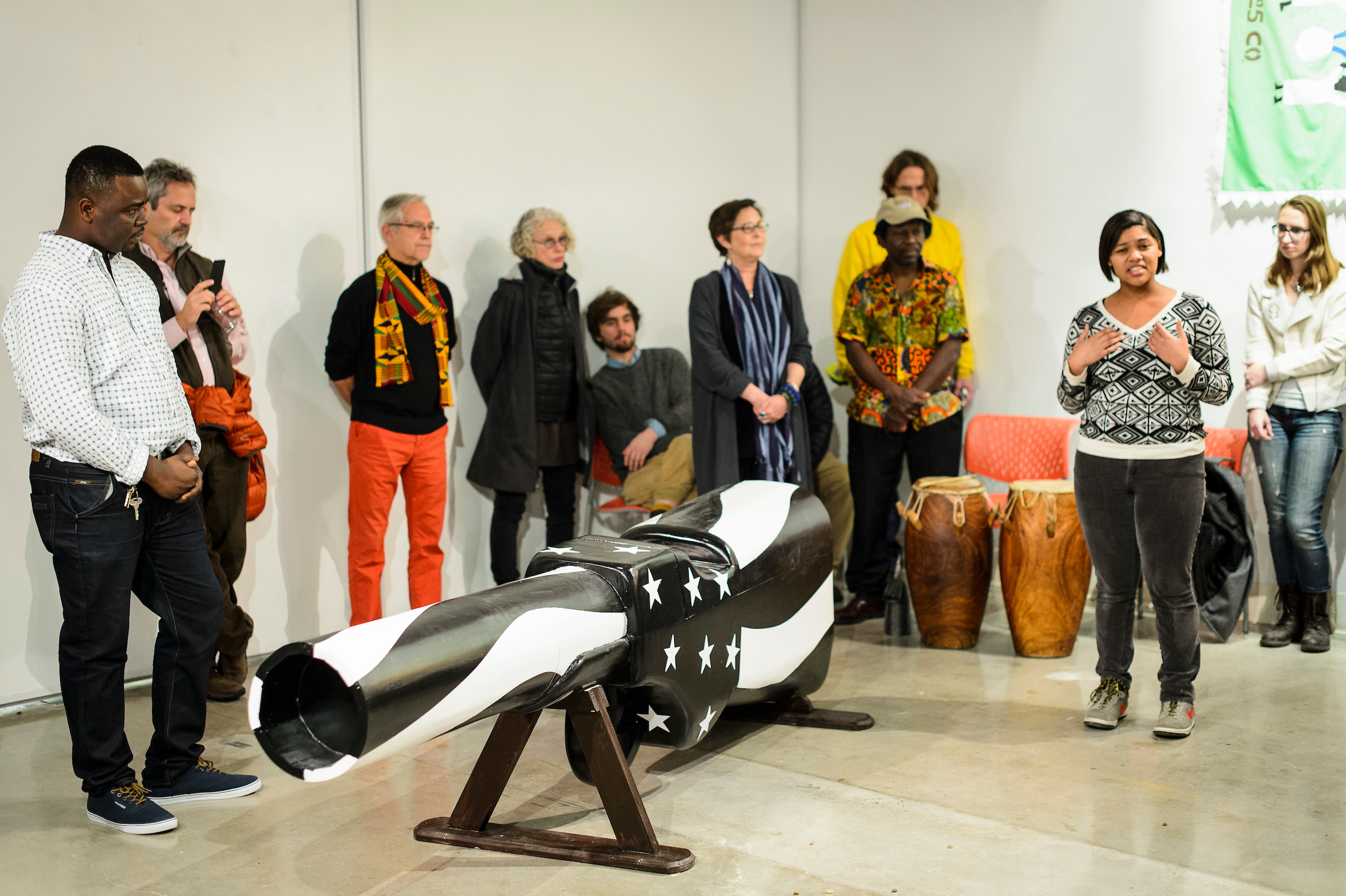
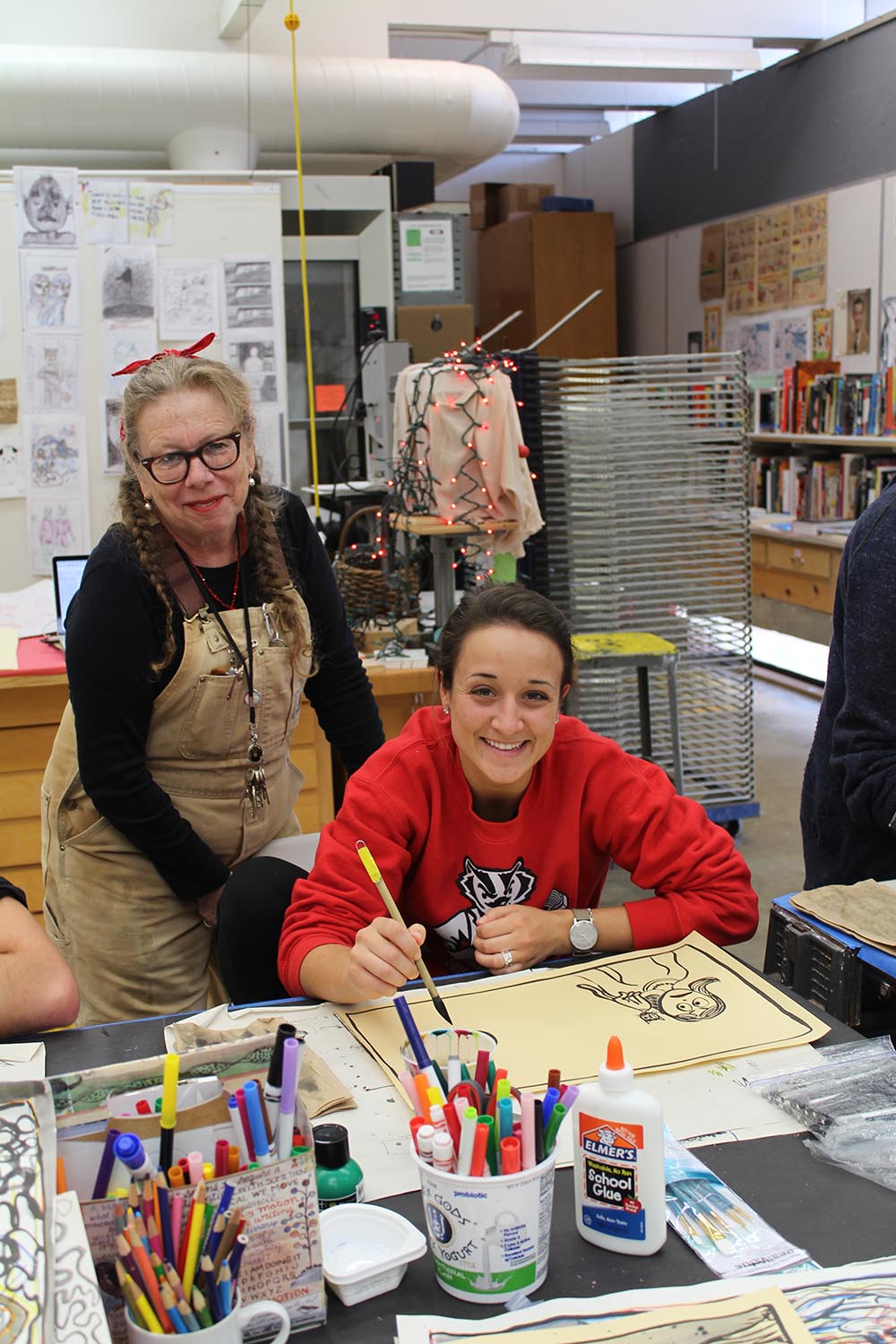
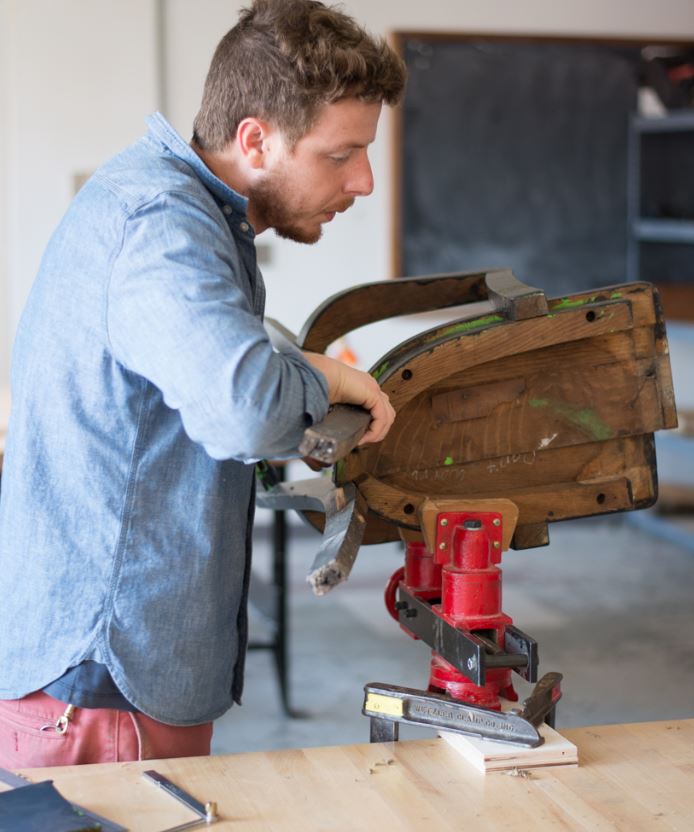
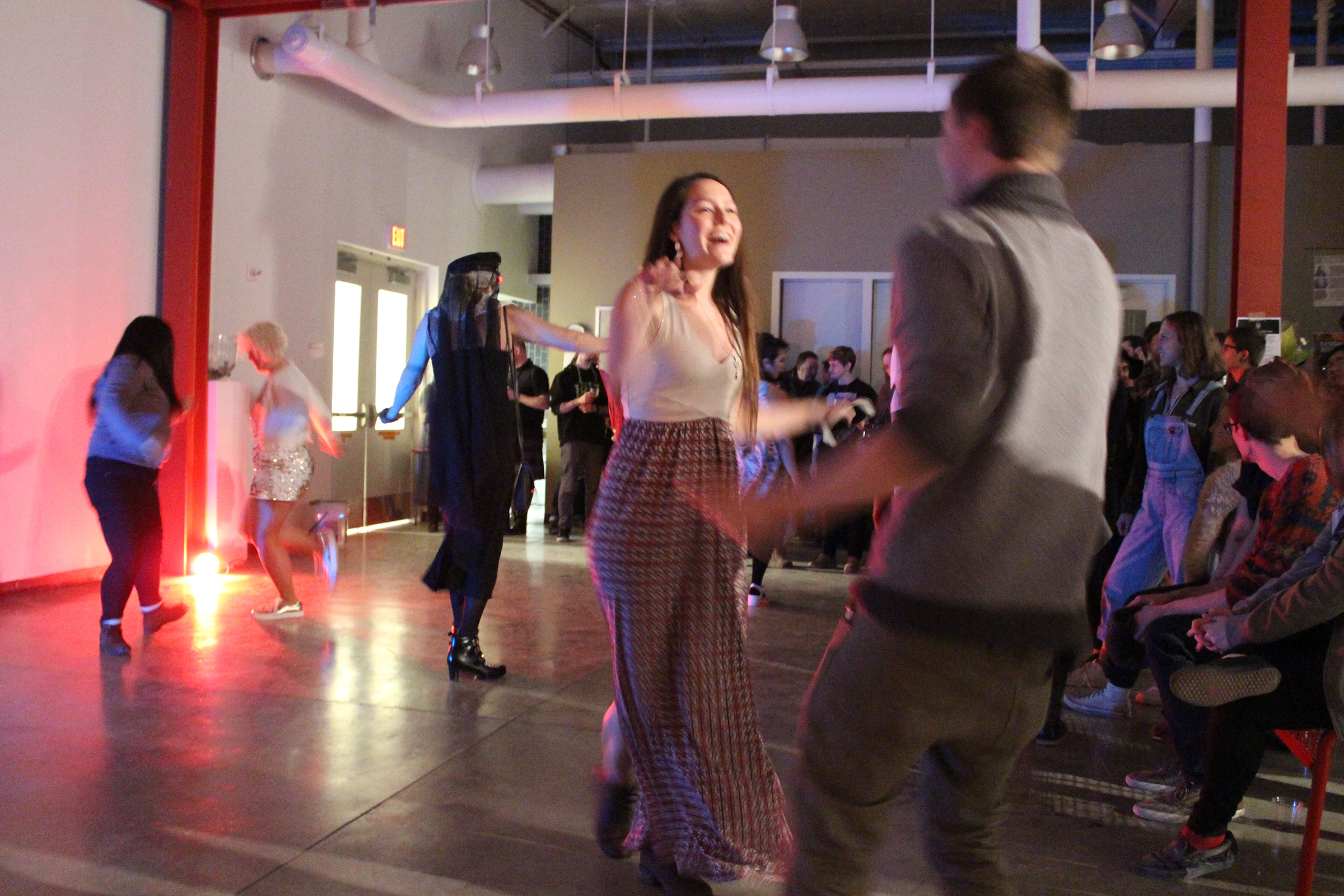
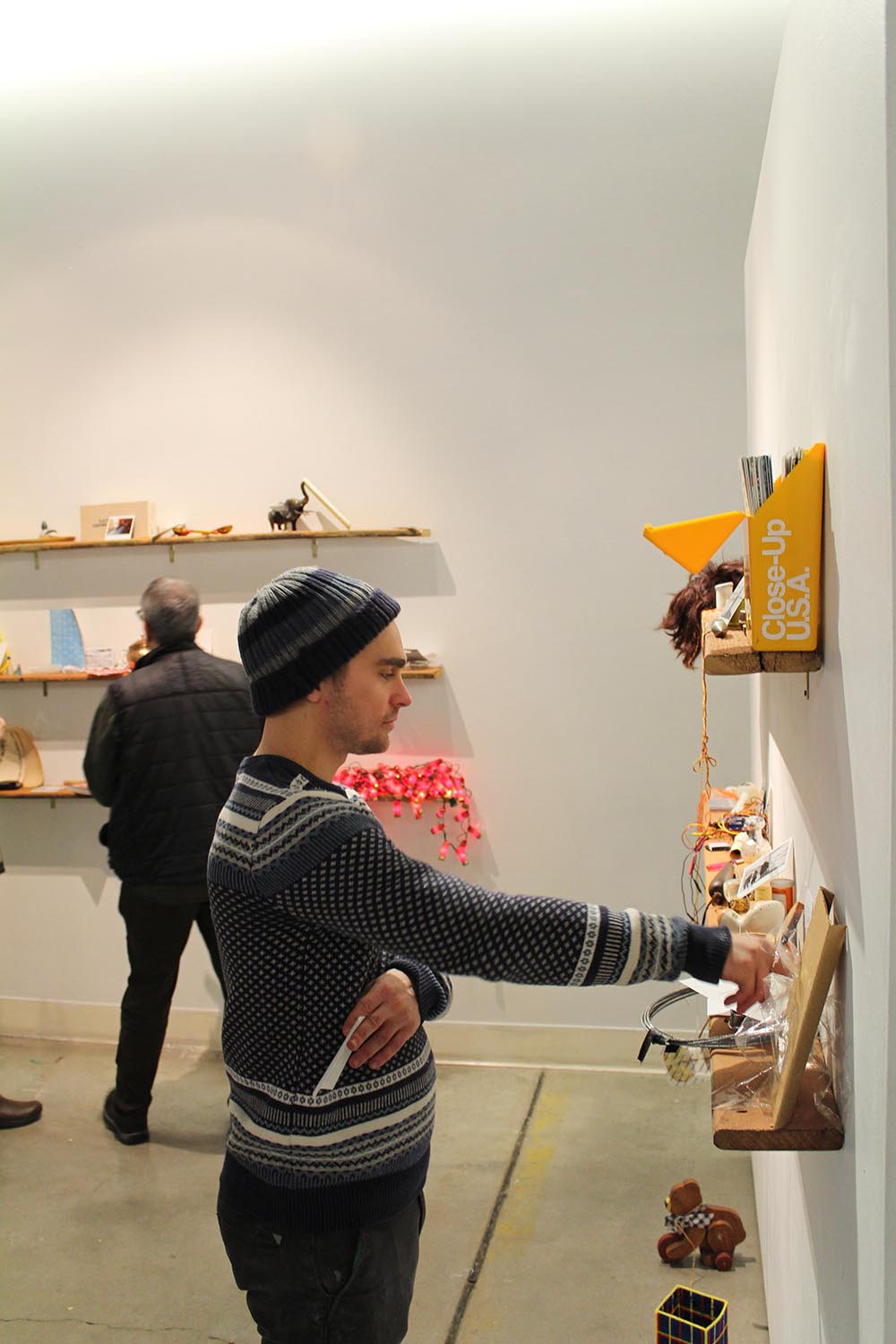
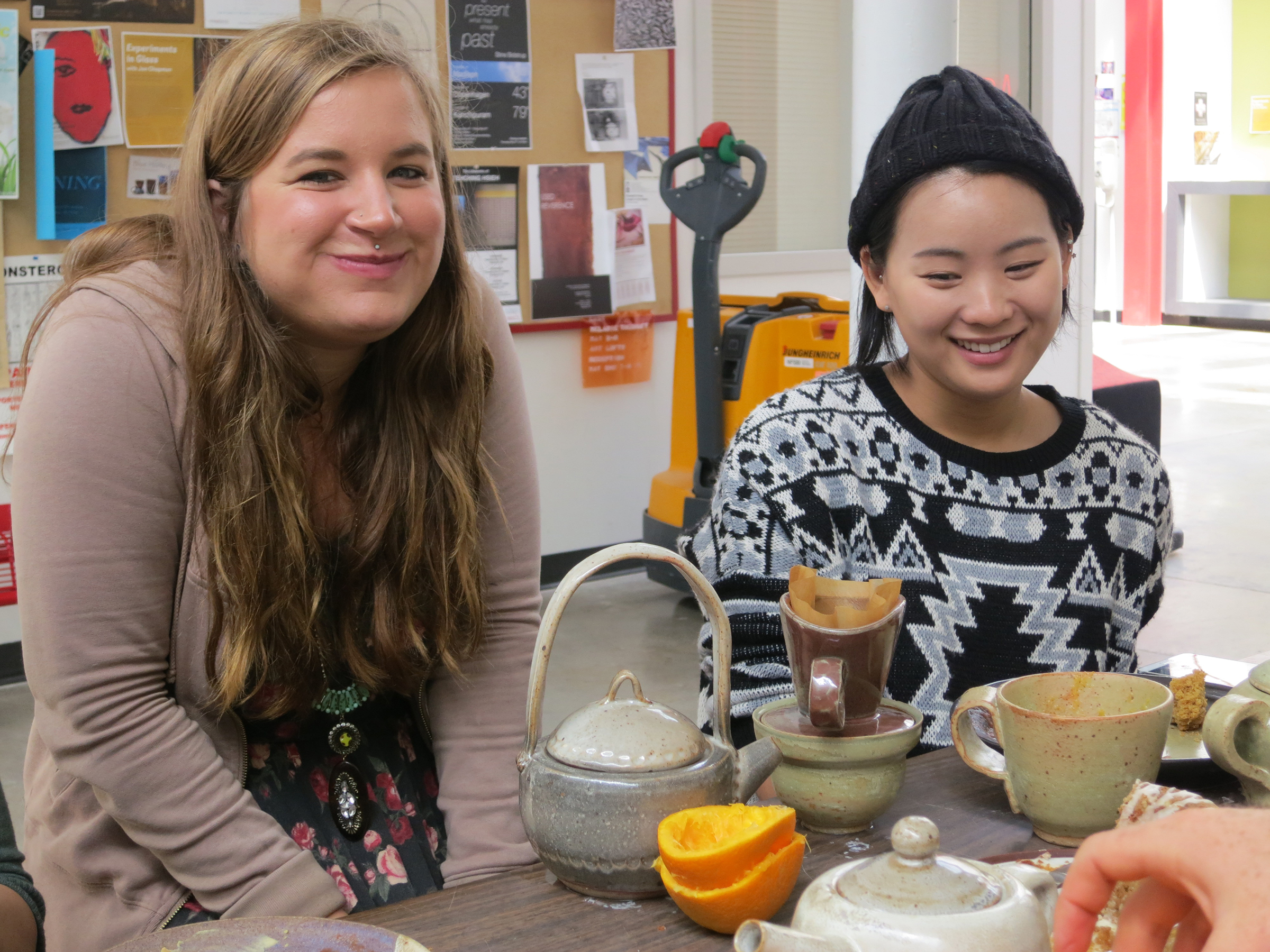
The University of Wisconsin-Madison ART DEPARTMENT is committed to teaching art in the context of a major research university and a vibrant intellectual community. Offering the following degrees: B.S., B.S. in Art Education, B.F.A. in Studio Art or Graphic Design, M.F.A. in Studio Art, and Certificate in Studio Art or Graphic Design.
Take a 720° virtual tour of the Art Department